Dmitry Shostakovich
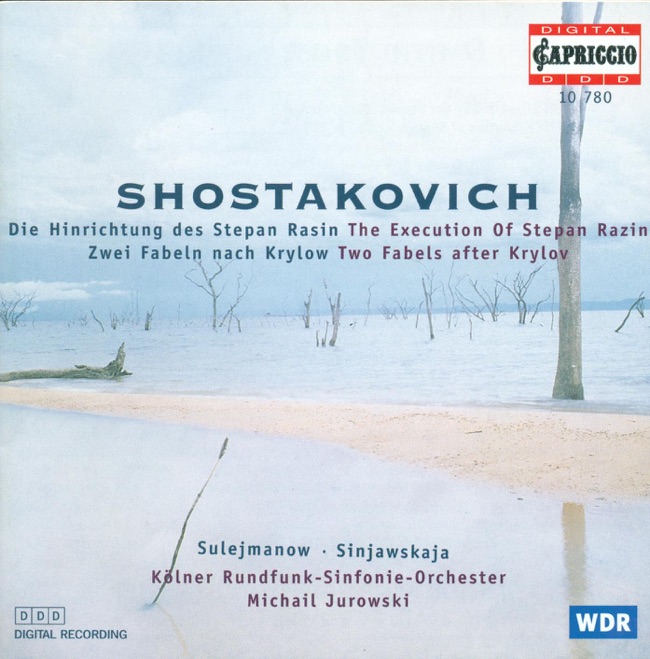
Fables (2), Op. 4
Released Album
Recent Album


Works Info
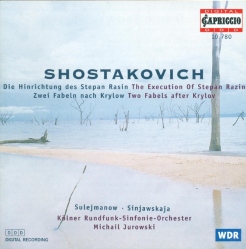
Composer:Dmitry ShostakovichGenre:VocalStyle:Song CollectionCompose Date:1922Average_duration:7:49Movement_count:2Movement ....Dmitry Shostakovich's 'Fables (2), Op. 4' is a composition for voice and piano, composed in 1922 when the composer was just 16 years old. The piece premiered in Leningrad in 1923, with the composer himself accompanying the singer. The work consists of two movements, each based on a fable by Ivan Krylov, a famous Russian fabulist. The first movement is titled "The Grasshopper and the Ant" and the second movement is titled "The Fox and the Grapes." In the first movement, Shostakovich sets Krylov's fable about a grasshopper who spends the summer singing and playing while the ant works hard to store food for the winter. When winter comes, the grasshopper is left hungry and cold, while the ant is warm and well-fed. Shostakovich's music captures the playful and carefree nature of the grasshopper in the opening section, with a lively and rhythmic piano accompaniment. The mood shifts dramatically in the middle section, as the grasshopper realizes his mistake and begs the ant for help. The music becomes more somber and reflective, with a slower tempo and more expressive vocal line. The final section returns to the lively and playful mood of the opening, as the grasshopper resolves to work hard in the future. In the second movement, Shostakovich sets Krylov's fable about a fox who tries to reach a bunch of grapes hanging high on a vine. When she realizes she cannot reach them, she declares that the grapes are probably sour anyway and walks away. Shostakovich's music captures the sly and cunning nature of the fox in the opening section, with a sinuous and chromatic piano accompaniment. The mood shifts to a more contemplative and introspective tone in the middle section, as the fox reflects on her failure and tries to justify it to herself. The final section returns to the sly and cunning mood of the opening, as the fox walks away with her head held high. Overall, 'Fables (2), Op. 4' showcases Shostakovich's early talent for setting text to music and his ability to capture the mood and character of the fables in his music. The work also foreshadows some of the themes and techniques that would become hallmarks of his later compositions, such as the use of irony and satire, the incorporation of folk elements, and the juxtaposition of contrasting moods and styles.More....
Works Music
Released Music