


Paul Hindemith
Songs (3) for soprano & orchestra, Op. 9
Released Album
Recent Album
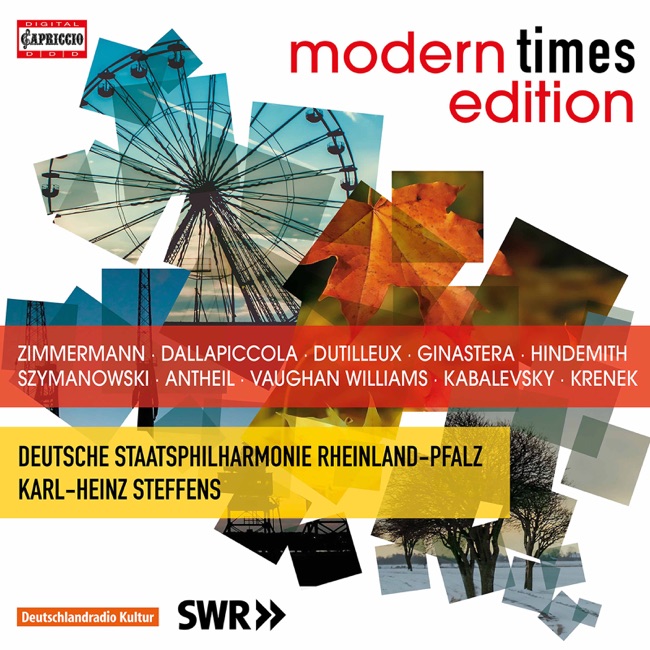
Featured Album
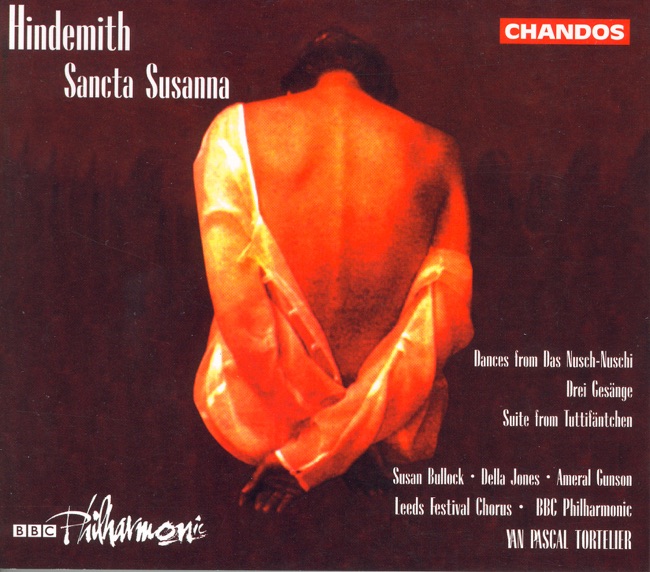
Works Info
Composer:Paul HindemithGenre:VocalStyle:Vocal MusicCompose Date:1917Average_duration:17:52Movement_count:3Movement ....Paul Hindemith's 'Songs (3) for soprano & orchestra, Op. 9' is a composition that showcases the composer's unique style and approach to music. The work was composed in 1917 and premiered on March 3, 1920, in Frankfurt, Germany. The three movements of the piece are titled "Abendständchen," "Versuch über Schweine," and "Unveränderliche." The first movement, "Abendständchen," is a serene and peaceful piece that features a lyrical melody sung by the soprano. The orchestra provides a gentle accompaniment that complements the vocal line. The movement is characterized by its use of chromaticism and dissonance, which create a sense of tension and release throughout the piece. The second movement, "Versuch über Schweine," is a more playful and lighthearted piece that features a lively and rhythmic melody. The soprano sings a series of nonsense syllables that mimic the sounds of pigs, while the orchestra provides a lively and energetic accompaniment. The movement is characterized by its use of syncopation and irregular rhythms, which create a sense of playfulness and humor. The final movement, "Unveränderliche," is a somber and introspective piece that features a slow and mournful melody. The soprano sings a text that reflects on the transience of life and the inevitability of death. The orchestra provides a sparse and understated accompaniment that emphasizes the melancholic mood of the piece. The movement is characterized by its use of dissonant harmonies and sparse textures, which create a sense of introspection and contemplation. Overall, 'Songs (3) for soprano & orchestra, Op. 9' is a composition that showcases Hindemith's unique style and approach to music. The piece features a range of moods and emotions, from the serene and peaceful to the playful and lighthearted to the somber and introspective. The use of chromaticism, dissonance, syncopation, and irregular rhythms creates a sense of tension and release throughout the piece, while the sparse textures and understated accompaniment emphasize the introspective and contemplative mood of the final movement.More....
Works Music
Released Music
Featured Music
3
Songs (3) for soprano & orchestra, Op.9
No. 3, "Aufbruch der Jugend": "Die flammenden Garten des Sommers"
7:41