


Alexander Munro
Sonata da camera "Bonny Jean of Aberdeen"
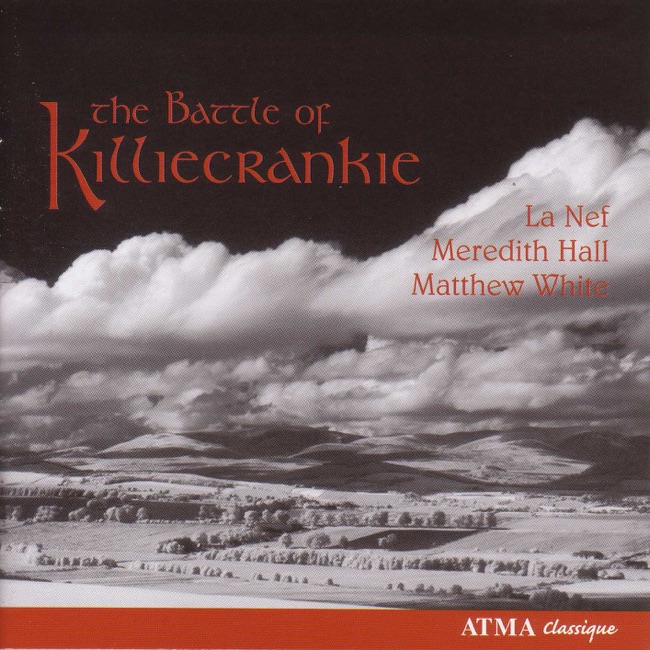
Works Info
Composer:Alexander MunroGenre:ChamberStyle:Chamber MusicThe 'Sonata da camera Bonny Jean of Aberdeen' is a chamber sonata composed by Alexander Munro, a Scottish composer, in the early 18th century. The exact date of composition is unknown, but it is believed to have been written around 1720. The sonata was premiered in Aberdeen, Scotland, and was dedicated to a local noblewoman named Bonny Jean. The sonata consists of four movements, typical of the chamber sonata form of the time. The first movement is a lively and energetic allegro, featuring a catchy melody and intricate counterpoint between the violin and harpsichord. The second movement is a slow and expressive adagio, showcasing the lyrical abilities of the violin. The third movement is a playful and dance-like minuet, with a charming melody and lively rhythms. The final movement is a fast and virtuosic allegro, featuring dazzling runs and intricate ornamentation. The 'Sonata da camera Bonny Jean of Aberdeen' is a prime example of the Scottish baroque style, which was heavily influenced by French and Italian music of the time. Munro's use of the harpsichord as a continuo instrument, along with the violin, is typical of the chamber sonata form. The sonata also features Scottish folk elements, such as the use of the pentatonic scale and the use of Scottish dance rhythms in the minuet. Overall, the 'Sonata da camera Bonny Jean of Aberdeen' is a delightful and charming work, showcasing Munro's skill as a composer and his ability to blend different musical styles into a cohesive whole. It remains a popular work in the Scottish baroque repertoire and is frequently performed by chamber ensembles today.More....
Works Music
Released Music
1
Sonata from camera "Bonny Jean of Aberdeen"
Allegro / Sarabanda (Grazioso) / Corrente (Vivace)
5:6