Ernesto Nazareth
Carioca
Released Album
Recent Album
-
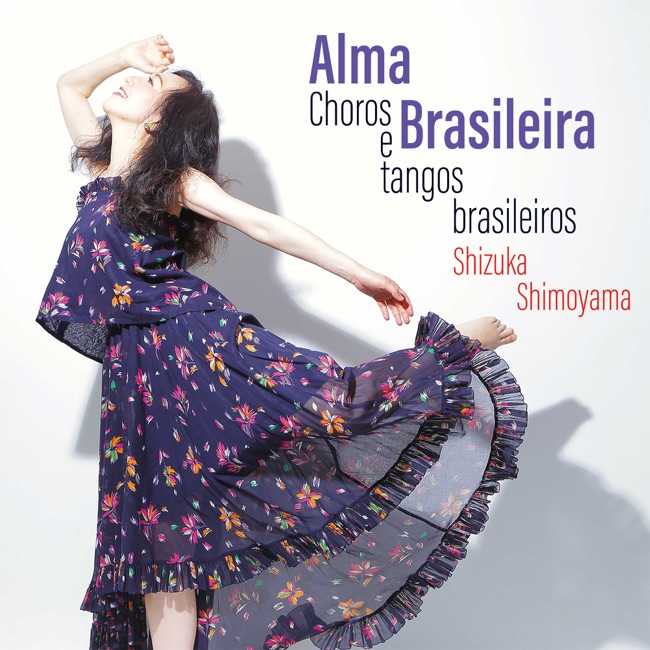 Shizuka ShimoyamaAugust 29, 2021
 -
-
-
-
-
-

-

-

-
Featured Album
Works Info
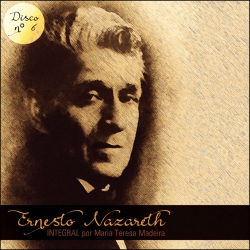
Composer:Ernesto NazarethGenre:KeyboardStyle:TangoAverage_duration:5:02Ernesto Nazareth was a Brazilian composer and pianist who is considered one of the most important figures in the development of Brazilian music. He was born in Rio de Janeiro in 1863 and began playing the piano at a young age. He went on to compose over 200 works, including tangos, waltzes, and polkas, but is perhaps best known for his compositions in the choro and maxixe styles. One of Nazareth's most famous compositions is "Carioca," which was composed in 1916. The piece is a choro, which is a Brazilian musical style that originated in the late 19th century and is characterized by its syncopated rhythms and improvisational nature. "Carioca" is named after the people of Rio de Janeiro, who are known as cariocas. The piece is divided into three movements, each with its own distinct character. The first movement is marked "Allegro," and features a lively, syncopated rhythm that is typical of the choro style. The melody is played by the piano, with accompaniment from the guitar and cavaquinho (a small, four-stringed instrument similar to a ukulele). The second movement is marked "Moderato," and is more lyrical in nature. The melody is played by the guitar, with accompaniment from the piano and cavaquinho. The third movement is marked "Allegro," and returns to the lively, syncopated rhythm of the first movement. The melody is played by the piano, with accompaniment from the guitar and cavaquinho. One of the characteristics of "Carioca" is its use of syncopation, which is a rhythmic technique that involves accenting the offbeat. This gives the piece a lively, energetic feel that is typical of the choro style. Another characteristic is the use of improvisation, which is a hallmark of choro music. The musicians are expected to improvise their own variations on the melody, adding their own personal touch to the piece. "Carioca" premiered in Rio de Janeiro in 1917, and quickly became one of Nazareth's most popular compositions. It has since become a staple of the choro repertoire, and is still performed and recorded by musicians around the world. Its lively rhythms and catchy melody have made it a favorite of audiences and musicians alike, and it remains a testament to Nazareth's skill as a composer and pianist.More....