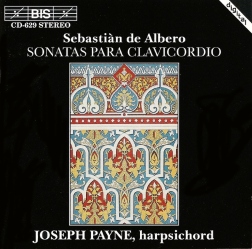
Sebastiàn de Albero
Harpsichord Sonata No. 14 in B flat major
Released Album
Recent Album

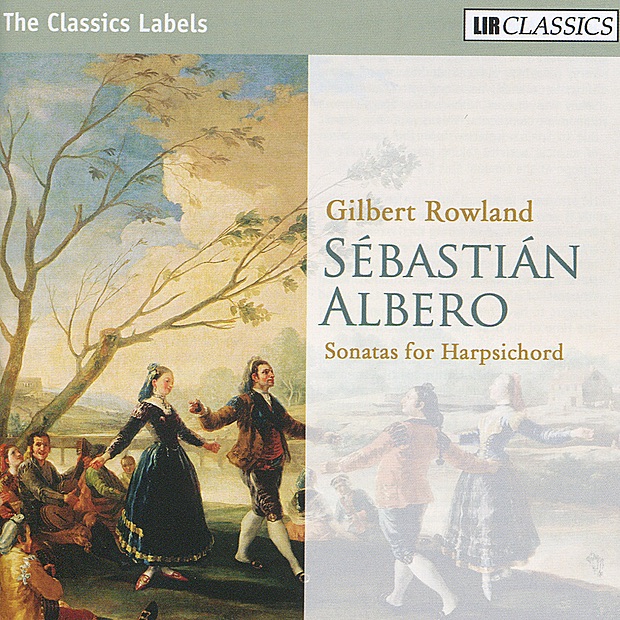
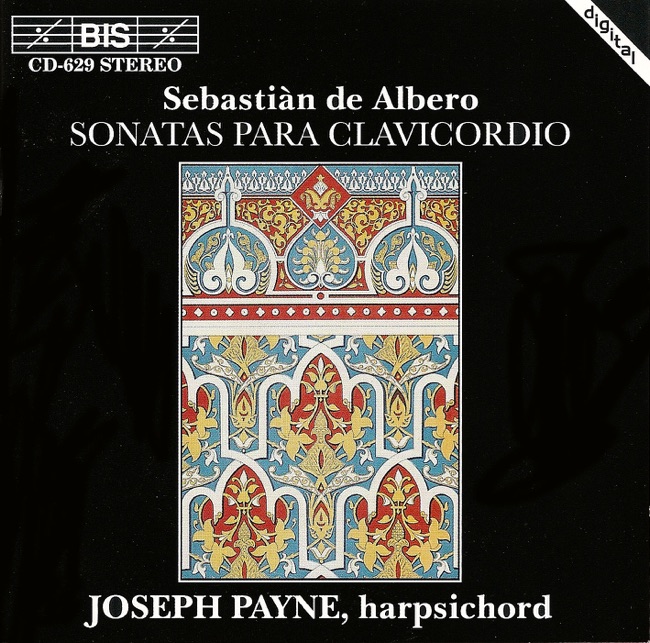
Works Info
Composer:Sebastiàn de AlberoGenre:KeyboardStyle:KeyboardAverage_duration:2:45Sebastiàn de Albero's Harpsichord Sonata No. 14 in B flat major is a significant work in the Baroque era. It was composed in the late 18th century, around 1770. The sonata is a three-movement work, with each movement showcasing Albero's mastery of the harpsichord. The first movement, marked Allegro, is a lively and energetic piece that showcases Albero's skill in counterpoint. The movement begins with a lively theme that is developed throughout the movement. The use of ornamentation and trills adds to the virtuosic nature of the piece. The second movement, marked Andante, is a beautiful and lyrical piece that showcases Albero's ability to create a melody. The movement is in a simple ABA form, with the middle section providing a contrast to the outer sections. The use of arpeggios and broken chords adds to the beauty of the piece. The final movement, marked Allegro, is a fast and lively piece that showcases Albero's skill in creating a fugue. The movement begins with a lively theme that is developed throughout the movement. The use of imitation and counterpoint adds to the complexity of the piece. Overall, Albero's Harpsichord Sonata No. 14 in B flat major is a significant work in the Baroque era. The use of counterpoint, ornamentation, and virtuosity showcases Albero's skill as a composer and harpsichordist. The sonata is a testament to the beauty and complexity of Baroque music.More....
Works Music
Released Music
1

2:26
2
2:44