Giovanni Gabrieli
Canzon No. 16, for 12 parts
Released Album
Recent Album
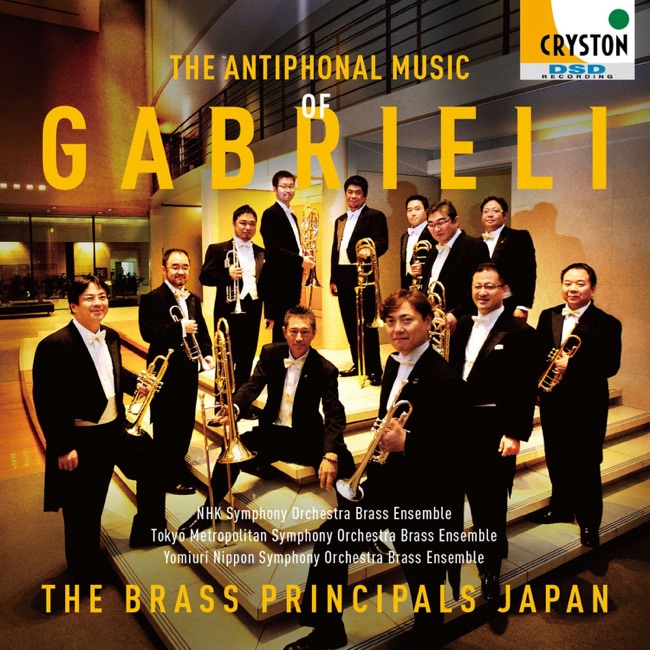
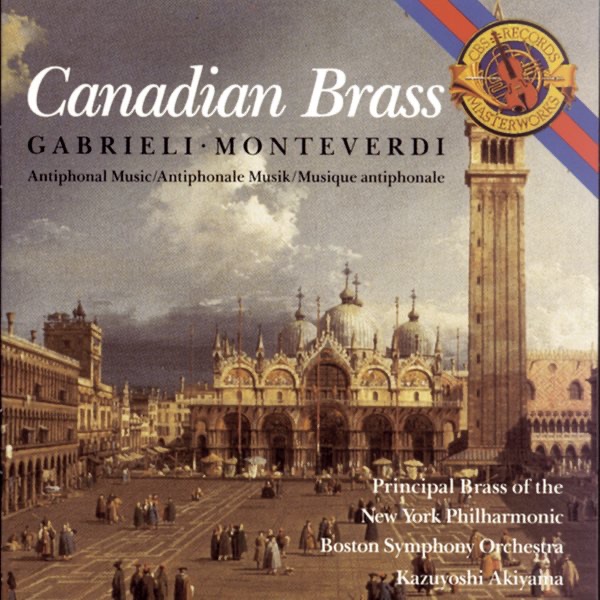
Featured Album
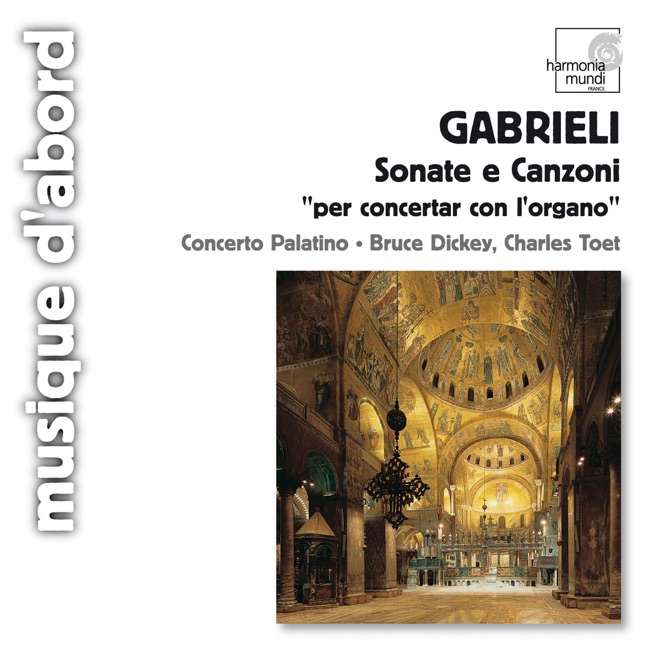
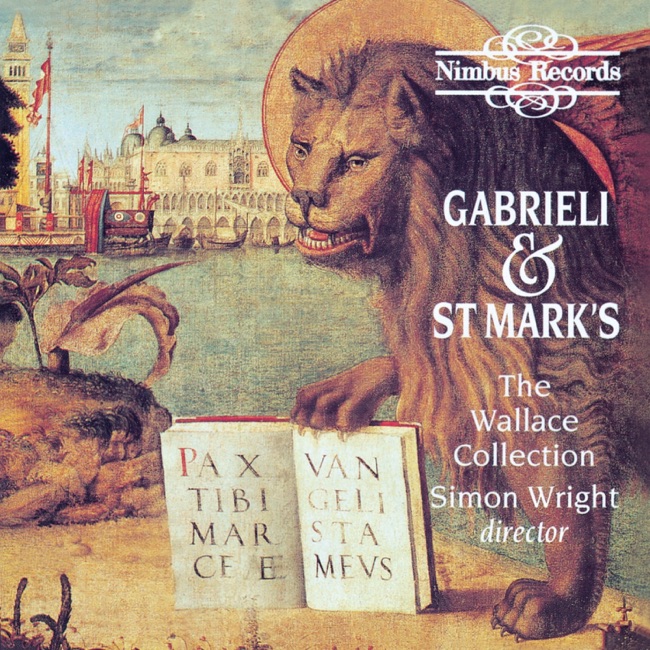
Works Info
Composer:Giovanni GabrieliGenre:ChamberStyle:CanzonaPublication Date:1615Average_duration:3:49Giovanni Gabrieli's 'Canzon No. 16, for 12 parts' is a masterpiece of the Baroque era. It was composed in the late 16th century and premiered in St. Mark's Basilica in Venice, Italy. The piece is divided into three movements, each with its own unique characteristics. The first movement is marked by a lively and energetic tempo, with the brass and woodwind instruments taking center stage. The music is characterized by a series of call-and-response phrases, with the different sections of the ensemble playing off each other in a playful and dynamic way. The use of multiple choirs and antiphonal effects creates a sense of spatial depth and complexity, with the sound of the music seeming to move and shift around the listener. The second movement is more subdued and introspective, with a slower tempo and a more contemplative mood. The music is marked by a series of long, sustained notes, with the different sections of the ensemble blending together in a rich and harmonious texture. The use of chromatic harmonies and unexpected chord progressions creates a sense of tension and release, with the music building to a powerful climax before subsiding into a quiet and reflective coda. The final movement is marked by a return to the lively and energetic tempo of the first movement, with the brass and woodwind instruments once again taking center stage. The music is characterized by a series of intricate and virtuosic solos, with each section of the ensemble showcasing their technical prowess and musical skill. The use of complex counterpoint and rhythmic interplay creates a sense of excitement and energy, with the music building to a thrilling and triumphant conclusion. Overall, 'Canzon No. 16, for 12 parts' is a masterful example of Gabrieli's skill as a composer and his innovative use of multiple choirs and antiphonal effects. The piece showcases the full range of the ensemble's capabilities, from the delicate and introspective to the bold and powerful, and remains a beloved and enduring masterpiece of the Baroque era.More....
Works Music
Released Music
2
Song No. 16, for 12 parts
Canzon 16 à 12, for 14 brass instruments in 3 choirs and organ (from Canzone e Sonate)
3:21

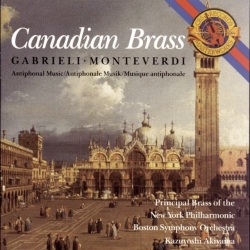
Featured Music