Joseph Rheinberger
Passiongesang, Op. 46
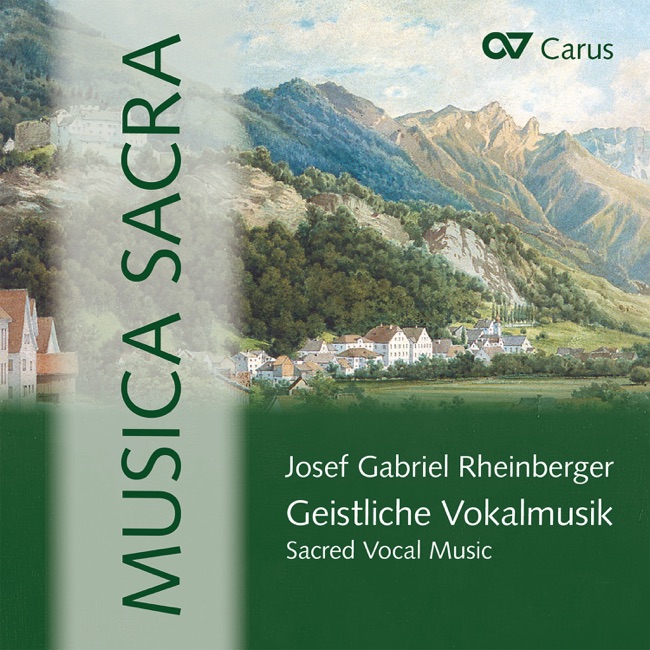
Released Album
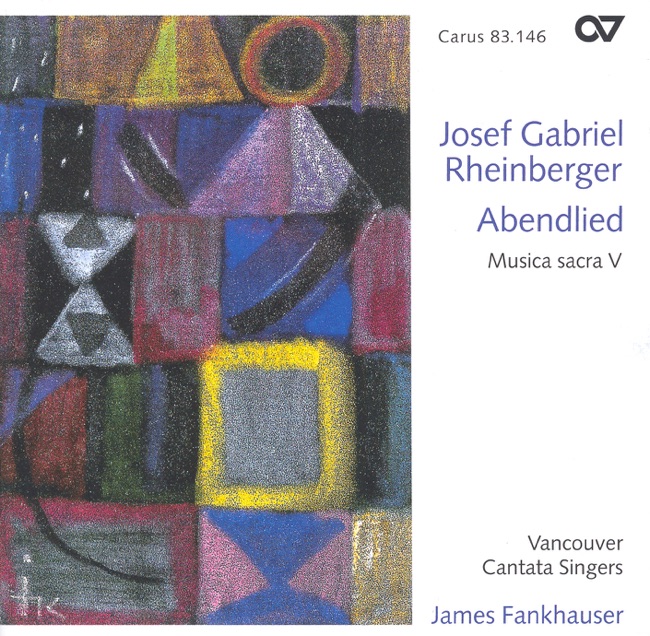
Recent Album
Works Info
Composer:Joseph RheinbergerGenre:ChoralStyle:SongCompose Date:ca. 1870Average_duration:13:32Joseph Rheinberger's 'Passiongesang, Op. 46' is a choral work that was composed in 1879. It was premiered on March 30, 1879, in Munich, Germany. The piece is divided into three movements, each of which is characterized by its own unique musical style and emotional intensity. The first movement, titled "Gethsemane," is a somber and introspective piece that reflects on the agony and despair of Christ in the Garden of Gethsemane. The music is slow and mournful, with the choir singing in a hushed and reverent tone. The harmonies are rich and complex, with dissonant chords adding to the sense of tension and unease. The second movement, "The Crucifixion," is a dramatic and powerful piece that depicts the events leading up to and including Christ's crucifixion. The music is more intense and urgent than in the first movement, with the choir singing in a more forceful and declamatory style. The harmonies are still complex, but there is a greater sense of resolution and finality in the music. The final movement, "The Resurrection," is a triumphant and joyful piece that celebrates Christ's resurrection from the dead. The music is fast and energetic, with the choir singing in a bright and exultant tone. The harmonies are more consonant and uplifting, with major chords and soaring melodies conveying a sense of hope and renewal. Overall, 'Passiongesang, Op. 46' is a masterful work that showcases Rheinberger's skill as a composer and his deep understanding of the emotional and spiritual themes of the Passion story. The piece is notable for its rich harmonies, complex textures, and powerful emotional impact, and it remains a beloved work in the choral repertoire to this day.More....
Works Music