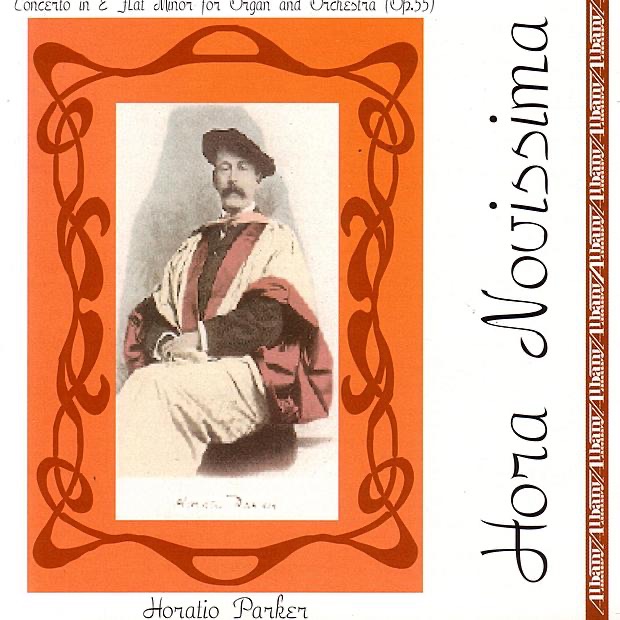
Horatio Parker
Hora Novissima
Works Info
Composer:Horatio ParkerGenre:ChoralStyle:ChoralCompose Date:1893Average_duration:61:09Movement_count:11Movement ....Horatio Parker's 'Hora Novissima' is a choral symphony that was composed in 1893. It premiered on May 22, 1893, at the Yale School of Music in New Haven, Connecticut. The symphony is divided into three movements, each of which is based on a different text from the Bible. The first movement, titled "The Last Judgment," is based on the Book of Revelation. It begins with a slow, ominous introduction that sets the tone for the rest of the movement. The choir enters with a powerful statement of the text, "And I saw a great white throne." The music builds in intensity as the choir sings of the judgment of the dead and the opening of the books. The movement ends with a triumphant chorus of "Alleluia" as the righteous are welcomed into heaven. The second movement, titled "The Heavenly Jerusalem," is based on the Book of Revelation as well. It begins with a gentle, flowing melody that represents the peacefulness of the heavenly city. The choir enters with the text, "And I saw a new heaven and a new earth," and the music becomes more joyful and exuberant. The movement ends with a grand chorus of "Alleluia" as the choir sings of the glory of the heavenly city. The third and final movement, titled "The Triumph of Christ," is based on the Book of Isaiah. It begins with a fanfare-like introduction that announces the arrival of Christ. The choir enters with the text, "Behold, the Lord God will come with strong hand," and the music becomes more and more triumphant as the choir sings of the defeat of death and the triumph of Christ. The movement ends with a powerful chorus of "Alleluia" as the choir sings of the victory of Christ over sin and death. Overall, 'Hora Novissima' is a powerful and dramatic work that showcases Parker's skill as a composer. The use of choral and orchestral forces creates a grand and majestic sound that is fitting for the subject matter. The text is taken directly from the Bible, which adds to the solemnity and reverence of the work.More....
Works Music
Released Music