


Horatio Parker
Released Album
Keyboard
-
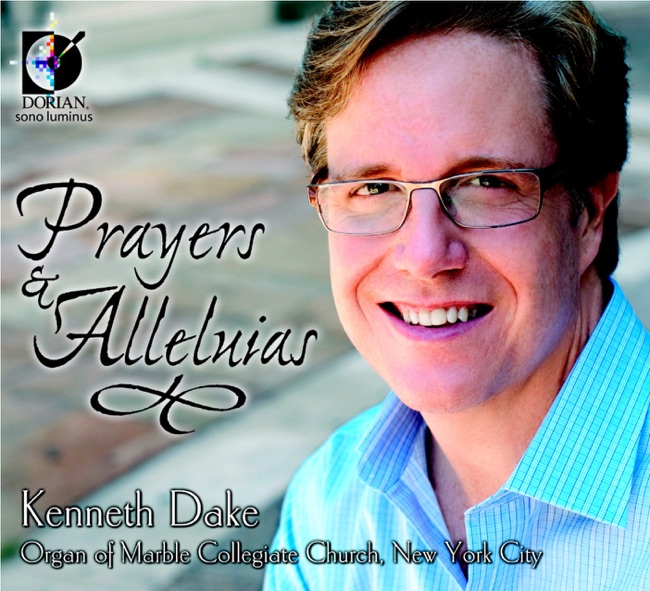 November 16, 2010
 -
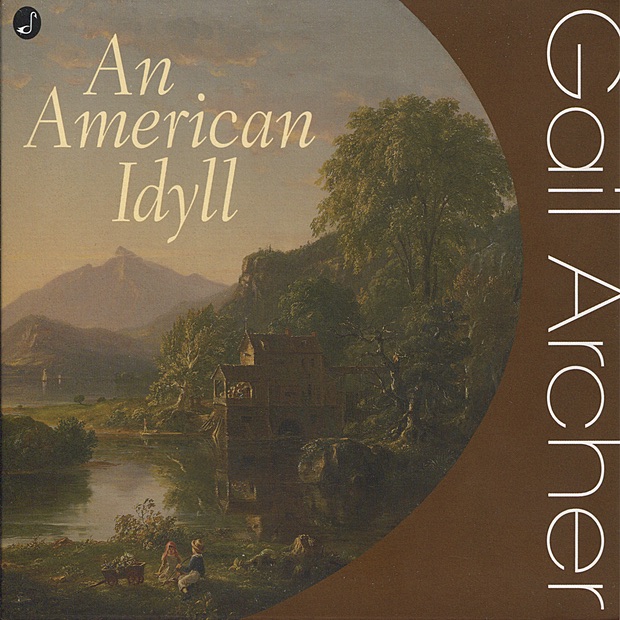 August 12, 2008
 -
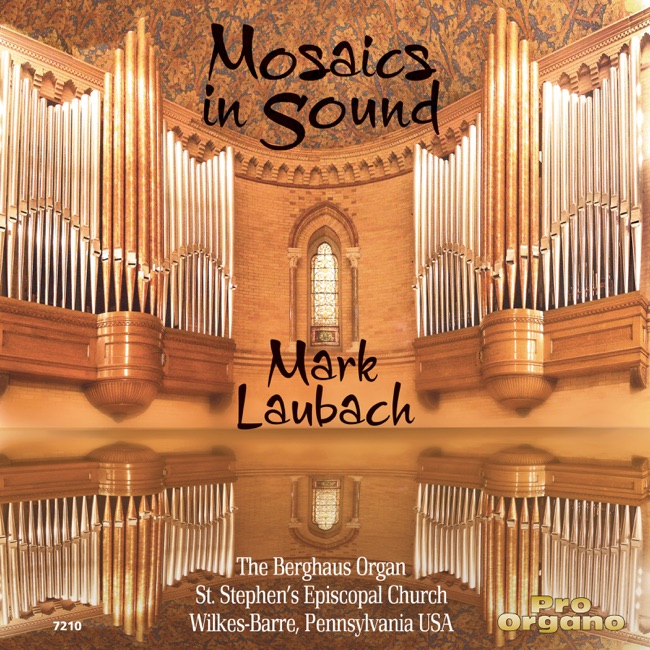 September 18, 2007
 -
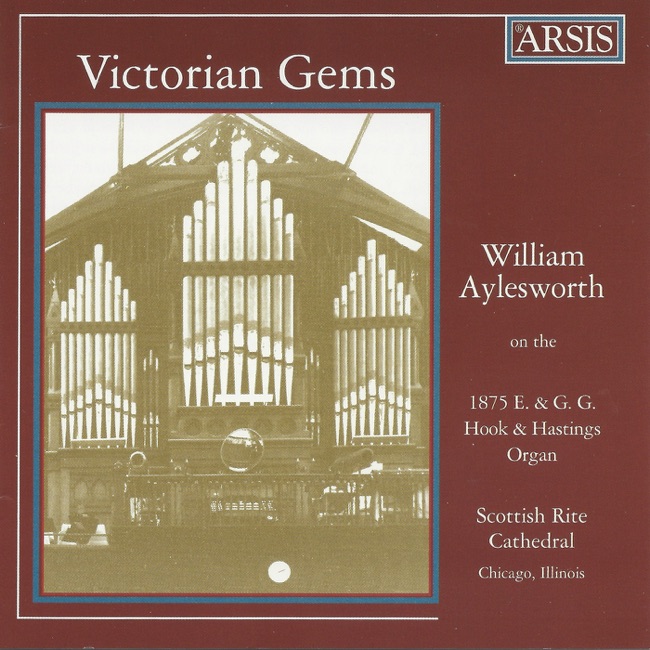 May 28, 2002
 -
 April 24, 2001
 -
Choral
-
 March 8, 2019
 -
 October 24, 2000
 -
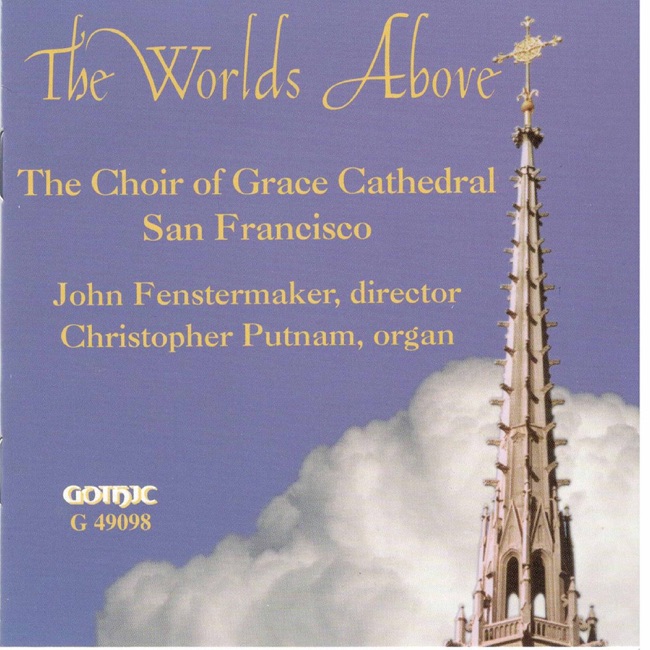 March 17, 1998
 -
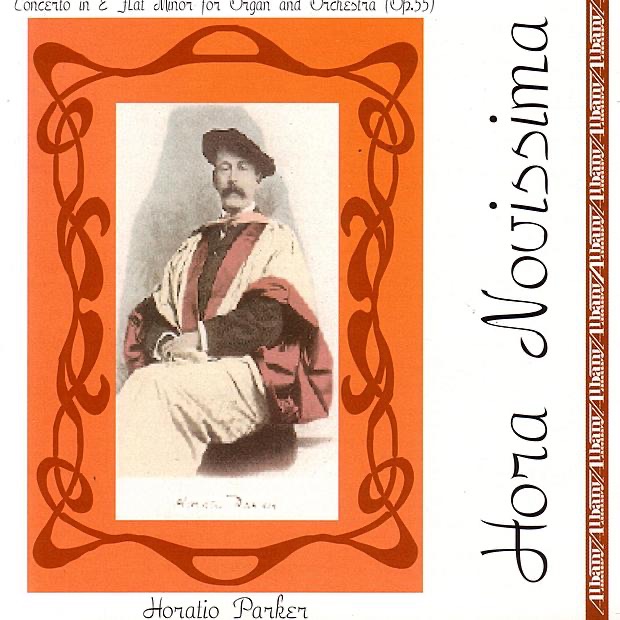 October 11, 1994
Orchestral
-
 April 8, 2016
 -
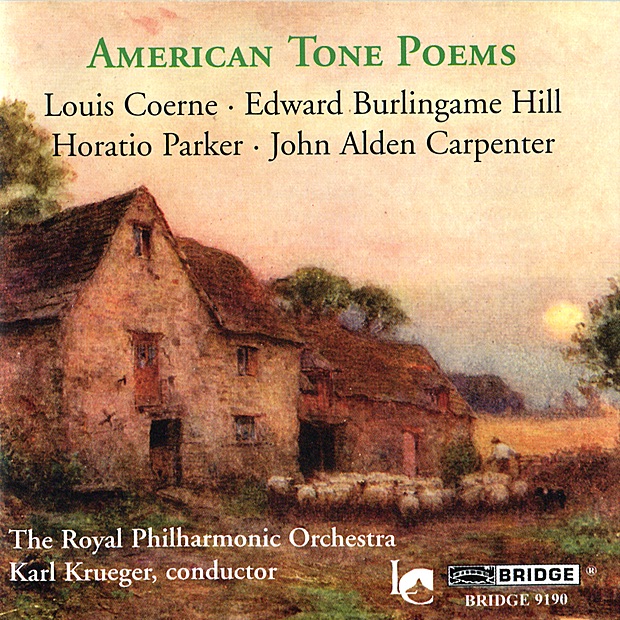 April 25, 2006
 -
Vocal
-
 April 8, 2008
 -
Artist Info
Role:ComposerBirth:September 15, 1863 in Auburndale, MADeath:December 18, 1919 in Cedarhurst, NYPeriod:RomanticGenre:KeyboardHoratio Parker was an American composer and educator who was born on September 15, 1863, in Auburndale, Massachusetts. He was the son of a Congregational minister and grew up in a musical family. His mother was a pianist, and his father played the organ. Parker showed an early interest in music and began taking piano lessons at the age of six. Parker attended Harvard University, where he studied music with John Knowles Paine, the first American-born composer to achieve international recognition. Paine was a major influence on Parker's musical style, and he encouraged Parker to pursue a career in music. After graduating from Harvard in 1883, Parker went to Germany to study music at the University of Munich. He studied with Josef Rheinberger, a prominent composer and teacher, and also took lessons in counterpoint and fugue with Ludwig Thuille. In 1885, Parker returned to the United States and began teaching music at the New England Conservatory of Music in Boston. He also became the organist and choir director at Trinity Church in Boston, a position he held for over 20 years. In 1893, Parker was appointed the director of the music department at Yale University, a position he held until his retirement in 1924. As a composer, Parker was known for his use of traditional forms and his adherence to classical principles. He wrote in a variety of genres, including orchestral music, chamber music, choral music, and opera. His most famous work is probably his oratorio, "Hora Novissima," which was first performed in 1893. The piece is based on a medieval Latin poem about the end of the world and the Last Judgment. It is a grand and dramatic work, with a large orchestra, chorus, and soloists. Parker also wrote several operas, including "Fairyland," which was first performed in 1915. The opera is based on a play by W. B. Yeats and tells the story of a young girl who is taken to Fairyland by the fairies. The music is lush and romantic, with a strong influence from Wagner. In addition to his compositions, Parker was also a respected music educator. He believed in the importance of a strong musical education and was instrumental in the development of music programs at both the New England Conservatory and Yale University. He was also a prolific writer on music, and his book "Harmony" was widely used as a textbook in music schools. Parker's music was well-received during his lifetime, and he was considered one of the leading American composers of his time. However, his music fell out of favor in the years following his death in 1919. It was not until the 1980s that his music began to be rediscovered and performed again. Today, Parker's music is recognized for its craftsmanship and its adherence to classical principles. His use of traditional forms and his emphasis on melody and harmony make his music accessible and enjoyable to listen to. While he may not be as well-known as some of his contemporaries, such as Aaron Copland or George Gershwin, his contributions to American classical music are significant and should not be overlooked.More....
Recent Artist Music
12
14:54
Copyright Ⓒ 2013 Davinci Finger. All rights reseved
Service Terms & Policy