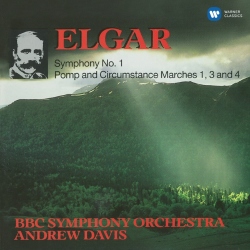
Edward Elgar
Pomp and Circumstance March No. 3 in C minor, Op. 39/3
Released Album
Recent Album

Featured Album
Works Info
Composer:Edward ElgarGenre:OrchestralStyle:MarchCompose Date:1904Average_duration:5:49Edward Elgar's "Pomp and Circumstance March No. 3 in C minor, Op. 39/3" was composed in 1904 and premiered on October 6th of the same year at the Queen's Hall in London. The piece is part of a set of five marches, with the first being the most famous due to its association with graduation ceremonies. The march is in C minor and is written for a large orchestra, including brass, percussion, and strings. It is divided into three main sections, with the first being a slow introduction that sets the mood for the piece. The second section is the main march theme, which is characterized by its bold and triumphant melody. The third section is a trio, which features a more subdued and lyrical melody. One of the most notable characteristics of this march is its use of counterpoint, which is the technique of combining multiple melodies to create a complex and harmonically rich texture. Elgar uses this technique throughout the piece, particularly in the trio section, where the different melodies weave in and out of each other. Another characteristic of the march is its use of dynamic contrast, which is the variation of loud and soft passages. Elgar uses this technique to great effect, creating moments of tension and release throughout the piece. Overall, "Pomp and Circumstance March No. 3" is a powerful and majestic piece of music that showcases Elgar's skill as a composer. Its use of counterpoint and dynamic contrast make it a complex and engaging work that is still popular today.More....
Works Music
Released Music
1
Pomp and Circumstance March No. 3 in C minor, Op. 39/3
Pomp and Circumstance, Op.39 March No. 3 In C Minor
6:31
2
5:40
3
Pomp and Circumstance March No. 3 in C minor, Op. 39/3
Pomp and Circumstance, march, Op. 39/3
6:57
4
7:4
5
6:12
6
6:10

8
6:31
Featured Music