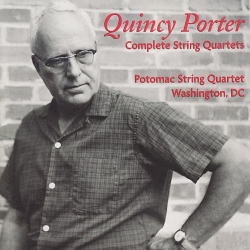
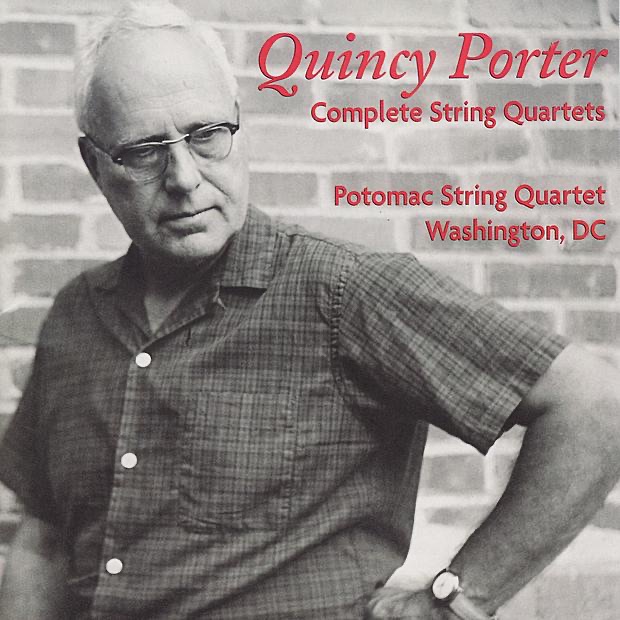
Quincy Porter
String Quartet No. 7
Released Album
Recent Album
-

-
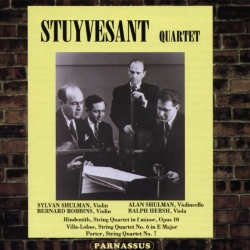
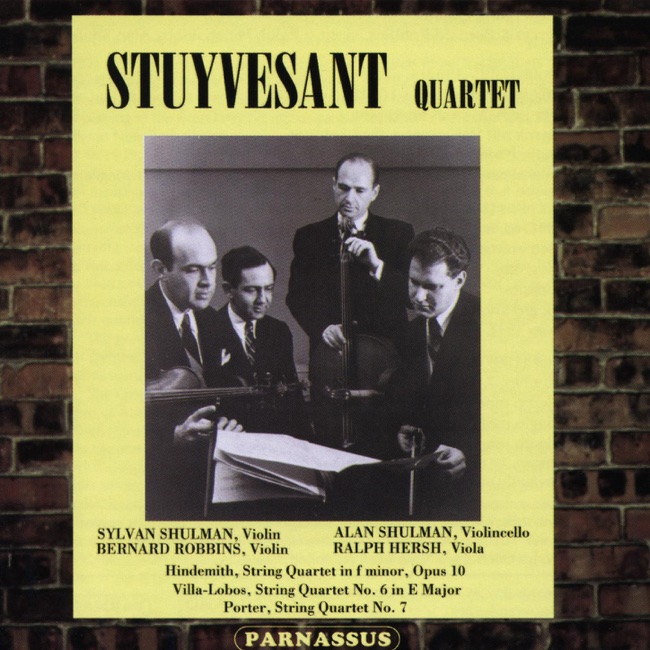 Stuyvesant QuartetJanuary 14, 2014
 -
Works Info
Composer:Quincy PorterGenre:ChamberStyle:String QuartetCompose Date:1943Average_duration:15:43Movement_count:3Movement ....Quincy Porter's String Quartet No. 7 is a four-movement work composed in 1954. It was premiered on March 7, 1955, by the Juilliard String Quartet at the Library of Congress in Washington, D.C. The first movement, marked Allegro moderato, opens with a lively and rhythmic theme in the first violin, which is then taken up by the other instruments. The music is characterized by its contrapuntal texture, with each instrument contributing to the overall texture. The second theme is more lyrical and is introduced by the cello. The movement ends with a return to the opening material. The second movement, marked Andante, is a slow and introspective movement. The music is characterized by its use of dissonance and chromaticism, which creates a sense of tension and unease. The movement features a haunting melody in the first violin, which is accompanied by the other instruments in a sparse and delicate texture. The third movement, marked Allegro molto, is a fast and energetic scherzo. The music is characterized by its use of syncopation and irregular rhythms, which create a sense of playfulness and unpredictability. The trio section features a more lyrical melody, which is passed between the instruments. The final movement, marked Allegro con brio, is a lively and exuberant finale. The music is characterized by its use of driving rhythms and virtuosic passages, which create a sense of excitement and energy. The movement features a recurring theme, which is developed and transformed throughout the movement. The quartet ends with a triumphant coda. Overall, Porter's String Quartet No. 7 is a work of great depth and complexity. It showcases Porter's mastery of counterpoint and his ability to create a wide range of moods and emotions through his use of harmony and rhythm. The quartet is a testament to Porter's status as one of the leading American composers of the mid-twentieth century.More....
Works Music
Released Music