


Quincy Porter
Released Album
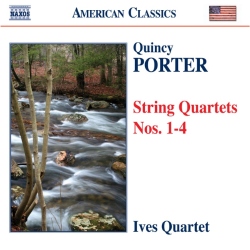
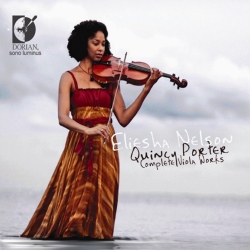
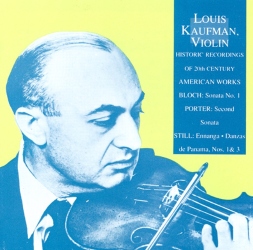
Chamber
-
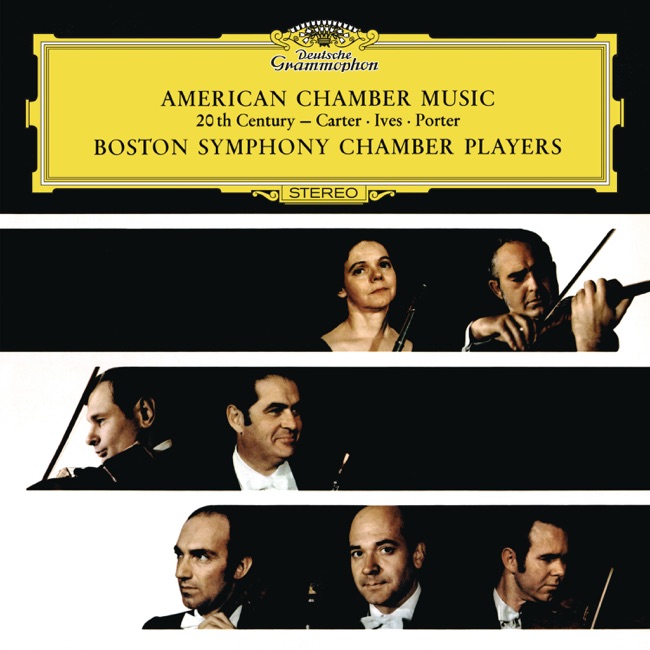
-
 June 9, 2015
 -
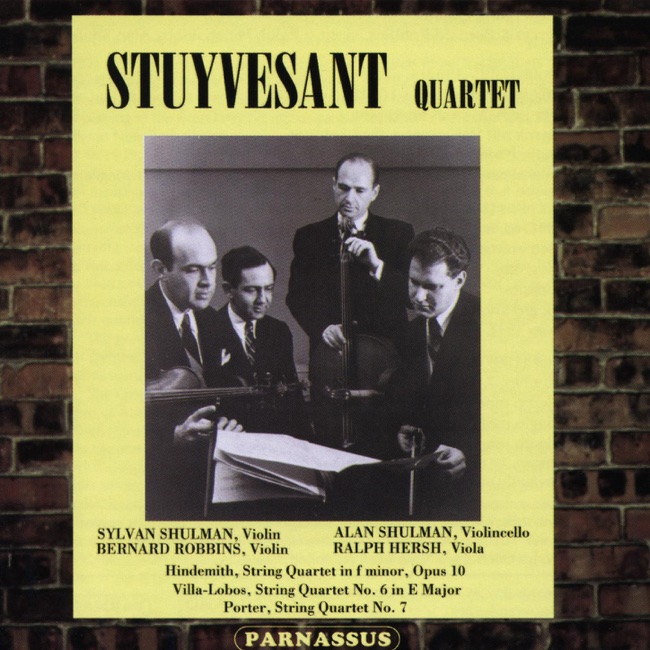
-
 April 30, 2012
 -

-
 November 8, 2011
Orchestral
-
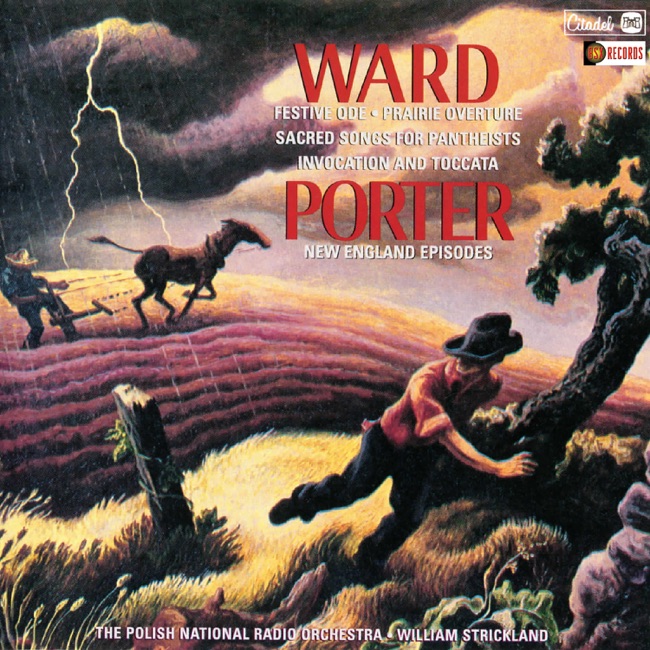 July 22, 2022
 -
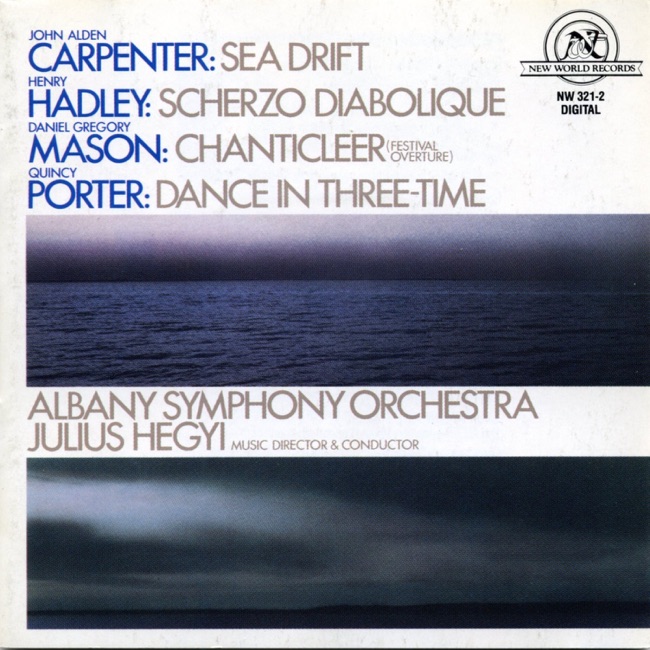
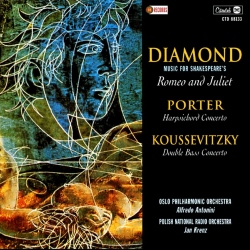
Concerto
-
 January 6, 2023
 -
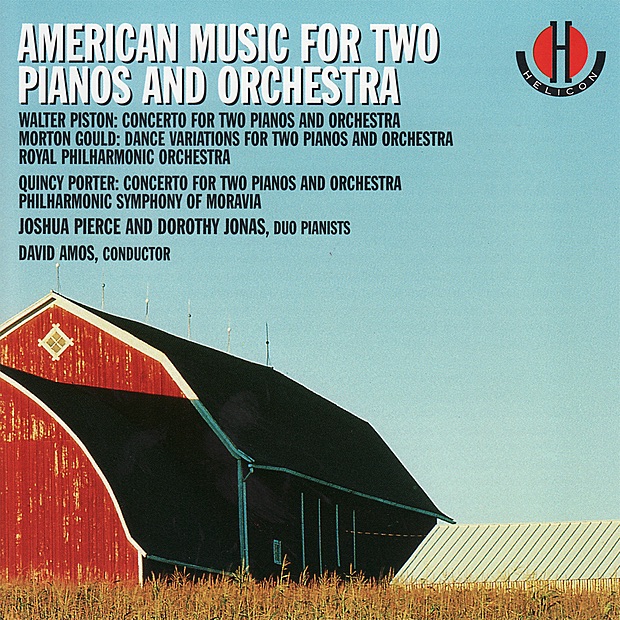 November 30, 1999
Symphony
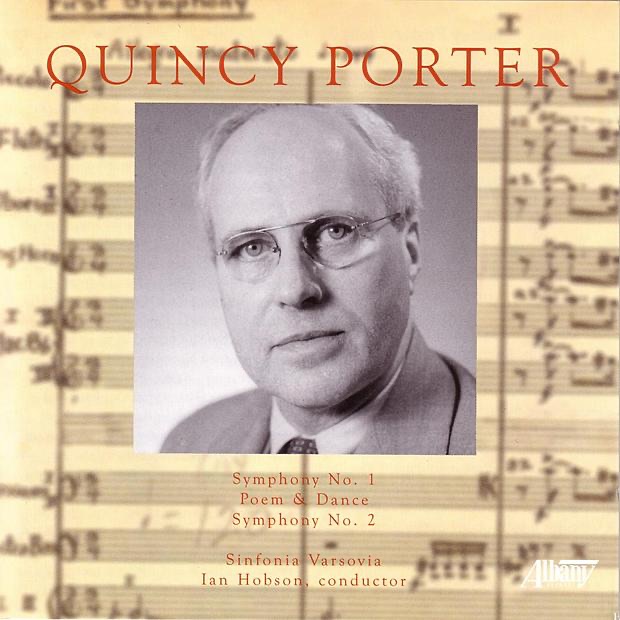
Artist Info
Role:ComposerCountry: United States of AmericaBirth:February 7, 1897 in New Haven, CTDeath:November 12, 1966 in Bethany, CTPeriod:ModernGenre:ChamberOrchestralQuincy Porter was an American composer of classical music who was born on February 7, 1897, in New Haven, Connecticut. He was the son of a Yale professor of music, and his mother was a pianist. Quincy Porter grew up in a musical family, and he began playing the piano at a young age. He also learned to play the violin and the viola, which would later become his primary instrument. Quincy Porter attended Yale University, where he studied music composition with Horatio Parker. After graduating from Yale in 1921, he went to Paris to study with the famous composer Nadia Boulanger. Boulanger was known for her rigorous teaching methods, and she had a profound influence on Porter's music. Porter returned to the United States in 1923 and began teaching at the Cleveland Institute of Music. He also began composing music, and his early works were influenced by the French impressionist composers, such as Debussy and Ravel. Porter's music was characterized by its use of rich harmonies and complex rhythms. In 1927, Porter moved to New York City, where he continued to compose and teach. He became a professor of music at the New England Conservatory of Music in Boston in 1932, where he remained until his retirement in 1965. During his time at the conservatory, Porter taught many notable composers, including Leonard Bernstein and Elliott Carter. Porter's music was performed by many of the leading orchestras and chamber ensembles of his time, including the Boston Symphony Orchestra, the New York Philharmonic, and the Juilliard String Quartet. His works were also featured at many music festivals, including the Berkshire Music Festival and the Tanglewood Music Festival. One of Porter's most famous works is his String Quartet No. 3, which was composed in 1931. The quartet is characterized by its use of complex rhythms and harmonies, and it has been described as one of the most important American string quartets of the 20th century. The piece was premiered by the Juilliard String Quartet in 1932, and it has since been performed by many other ensembles. Another notable work by Porter is his Concerto for Viola and Orchestra, which was composed in 1954. The concerto is considered one of the most important works for the viola in the 20th century, and it has been performed by many of the leading violists of the time. The piece is characterized by its use of rich harmonies and virtuosic passages for the soloist. Porter's music was also influenced by his interest in folk music. He often incorporated folk melodies and rhythms into his compositions, and he was known for his use of American themes in his music. One example of this is his Suite for Wind Quintet, which was composed in 1952. The suite is based on American folk tunes, and it has become a popular work for wind quintets. In addition to his compositions, Porter was also known for his writings on music. He wrote several articles and books on music theory and composition, including his book "Techniques of Contemporary Orchestration," which is still used as a textbook in many music schools today. Quincy Porter died on November 12, 1966, in Boston, Massachusetts. He left behind a legacy of important works for orchestra, chamber ensembles, and solo instruments. His music continues to be performed and studied by musicians and music lovers around the world.More....
Recent Artist Music

2
9:27

4
6:28
5
15:38
8
4:55
13
24:4

Copyright Ⓒ 2013 Davinci Finger. All rights reseved
Service Terms & Policy