William Byrd
Ego sum panis vivus
Released Album
Recent Album
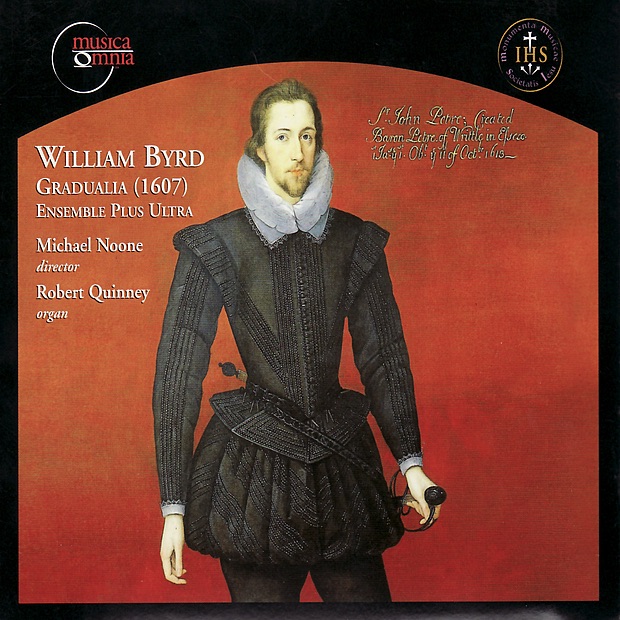
Featured Album
Works Info
Composer:William ByrdGenre:ChoralStyle:MotetAverage_duration:2:08"Ego sum panis vivus" is a sacred motet composed by William Byrd, an English composer of the Renaissance period. The piece was composed in the late 16th century, around 1590, during the reign of Queen Elizabeth I. It was first performed in the Chapel Royal, London, and was later published in Byrd's collection of Gradualia in 1605. The motet is written for four voices, SATB, and is divided into three movements. The first movement is a homophonic setting of the text "Ego sum panis vivus" (I am the living bread), which is taken from the Gospel of John. The second movement is a polyphonic setting of the text "Qui manducat meam carnem" (He who eats my flesh), and the third movement is a homophonic setting of the text "Hic est panis qui de caelo descendit" (This is the bread that came down from heaven). The first movement is characterized by its simple and direct melody, which is sung in unison by all four voices. The homophonic texture emphasizes the unity of the text, which speaks of the unity of Christ and his followers. The second movement is more complex, with each voice singing a different melody that weaves together to create a rich and intricate polyphonic texture. The third movement returns to the simplicity of the first, with all four voices singing in unison once again. Overall, "Ego sum panis vivus" is a beautiful and powerful piece of sacred music that reflects Byrd's mastery of Renaissance polyphony. Its simple yet profound text and its rich and intricate musical texture make it a timeless masterpiece of choral music.More....
Works Music
Released Music
Featured Music