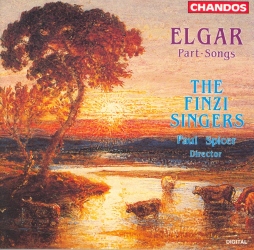
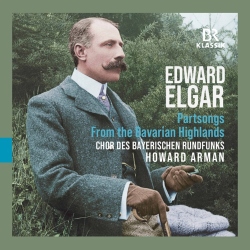
Edward Elgar
Go, Song of Mine, Op. 57
Released Album
Recent Album






Featured Album
Works Info
Composer:Edward ElgarGenre:ChoralStyle:Part SongCompose Date:1909Average_duration:4:57"Go, Song of Mine, Op. 57" is a choral work composed by Edward Elgar in 1914. It was premiered on October 22, 1914, at the Birmingham Triennial Music Festival, with Elgar conducting the City of Birmingham Choir and the London Symphony Orchestra. The piece is divided into three movements, each with its own distinct character. The first movement, marked "Moderato," is a setting of a poem by Elgar's wife, Alice. It begins with a gentle, flowing melody in the choir, accompanied by soft, shimmering strings. The music gradually builds in intensity, with the choir and orchestra swelling to a powerful climax before subsiding back into the gentle opening theme. The second movement, marked "Allegro," is a lively and rhythmic setting of a poem by the English poet Robert Bridges. The choir and orchestra trade off in a lively call-and-response pattern, with the choir singing the main melody and the orchestra providing a lively accompaniment. The music is full of energy and vitality, with a sense of joy and celebration. The final movement, marked "Moderato e maestoso," is a setting of a poem by the English poet William Henley. It begins with a solemn, majestic theme in the orchestra, which is then taken up by the choir. The music builds in intensity, with the choir and orchestra reaching a powerful climax before subsiding back into the solemn opening theme. The final section of the piece is a quiet, reflective coda, with the choir singing a gentle, peaceful melody over a soft, shimmering accompaniment in the strings. Overall, "Go, Song of Mine, Op. 57" is a powerful and moving work, full of Elgar's characteristic lush harmonies and soaring melodies. It is a testament to the composer's skill as a choral composer, and remains a beloved work in the choral repertoire to this day.More....
Works Music
Released Music

3

4:22



Featured Music