


Johann Adolf Hasse
Sonata No. 2 for harpsichord in G major (from "Sonate per il cembalo: Fatte par la Real Delfina di Francia")
Released Album
Recent Album
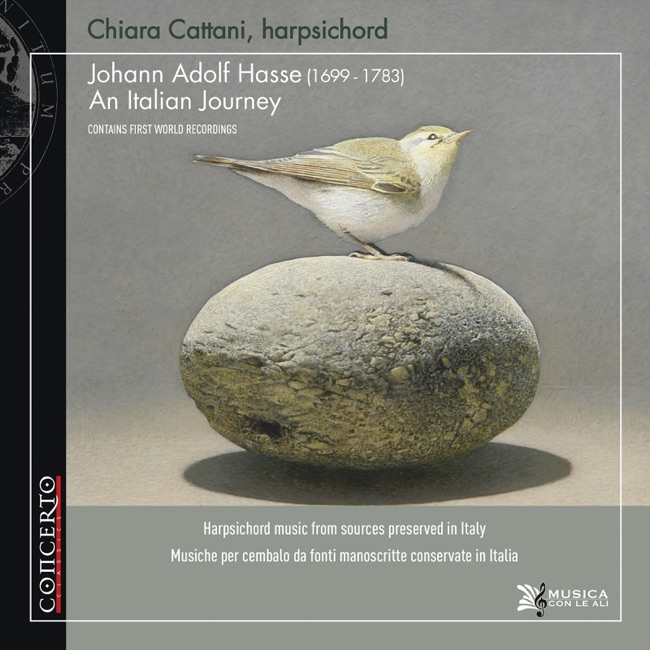
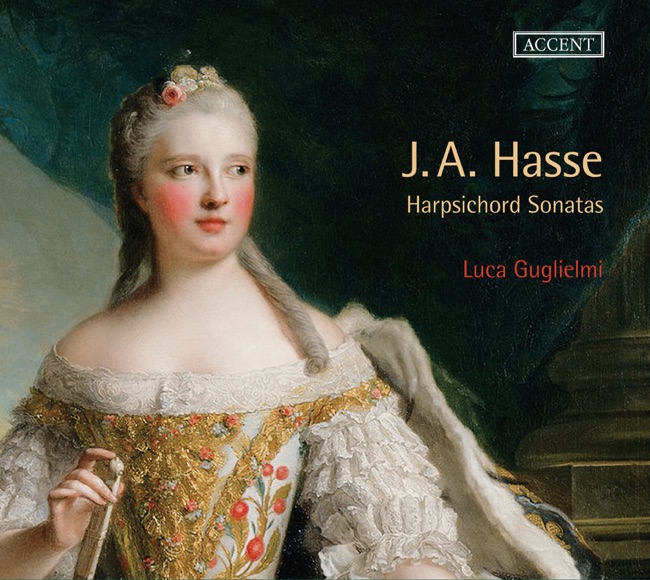
Works Info
Composer:Johann Adolf HasseGenre:KeyboardAverage_duration:10:26Movement_count:2Movement ....Johann Adolf Hasse's Sonata No. 2 for harpsichord in G major is a beautiful piece of music that was composed in the mid-18th century. The exact date of composition is not known, but it is believed to have been written sometime between 1740 and 1750. The sonata was premiered in the court of the Royal Princess of France, who was a patron of Hasse's music. The sonata is divided into three movements, each with its own unique characteristics. The first movement is marked Allegro and is in G major. It is a lively and energetic piece that showcases the harpsichord's ability to play fast and intricate passages. The second movement is marked Andante and is in E minor. It is a slower and more contemplative piece that features a beautiful melody played by the right hand of the harpsichord. The third and final movement is marked Allegro and is in G major. It is a lively and joyful piece that brings the sonata to a satisfying conclusion. One of the most notable characteristics of Hasse's Sonata No. 2 is its use of ornamentation. The harpsichordist is expected to add trills, mordents, and other embellishments to the music in order to make it more expressive and interesting. This was a common practice in the Baroque era, and Hasse's sonata is a great example of how ornamentation can be used to enhance a piece of music. Overall, Johann Adolf Hasse's Sonata No. 2 for harpsichord in G major is a beautiful and engaging piece of music that showcases the harpsichord's versatility and expressive capabilities. Its three movements each have their own unique characteristics, and the use of ornamentation adds an extra layer of interest and complexity to the music.More....
Works Music
Released Music
1
4:1
2

3:58