Francesco Canova da Milano
Fantasia No. 63
Released Album
Recent Album

Featured Album
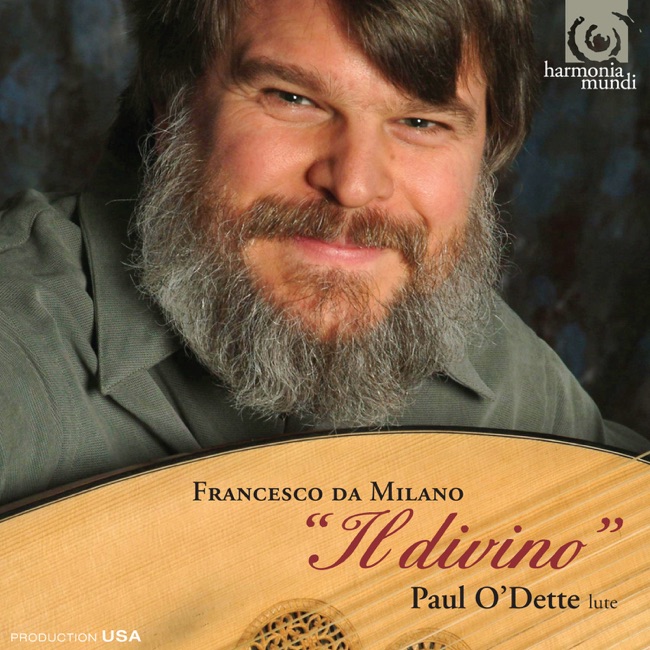
Works Info
Composer:Francesco Canova da MilanoGenre:MiscellaneousStyle:FantasyAverage_duration:1:29Fantasia No. 63 is a piece of music composed by Francesco Canova da Milano, an Italian lutenist and composer who lived during the Renaissance period. The piece was composed in the mid-16th century and is believed to have been premiered during one of da Milano's performances in Italy. Fantasia No. 63 is a solo lute piece that consists of several movements. The first movement is marked by a slow and contemplative tempo, with the lute playing a series of arpeggios and melodic lines that create a sense of introspection and reflection. The second movement is more lively and upbeat, with the lute playing a series of fast and intricate runs that showcase the virtuosity of the performer. The third movement is marked by a return to the slower tempo of the first movement, with the lute playing a series of delicate and intricate melodic lines that create a sense of intimacy and tenderness. One of the characteristics of Fantasia No. 63 is its use of counterpoint, a technique that was popular during the Renaissance period. Counterpoint involves the use of multiple melodic lines that are played simultaneously, creating a complex and harmonically rich texture. Da Milano's use of counterpoint in Fantasia No. 63 is particularly effective, as it allows the lute to create a sense of depth and complexity that is not often found in solo instrumental music. Another characteristic of Fantasia No. 63 is its use of ornamentation. Ornamentation involves the addition of decorative flourishes to the melodic lines of a piece of music, and was a common technique used by Renaissance composers. Da Milano's use of ornamentation in Fantasia No. 63 is particularly effective, as it adds a sense of elegance and refinement to the piece. Overall, Fantasia No. 63 is a beautiful and complex piece of music that showcases da Milano's skill as a composer and lutenist. Its use of counterpoint and ornamentation, as well as its intricate melodic lines and shifting tempos, make it a challenging and rewarding piece for performers and listeners alike.More....