Marbrianus de Orto
Dulces exuviae
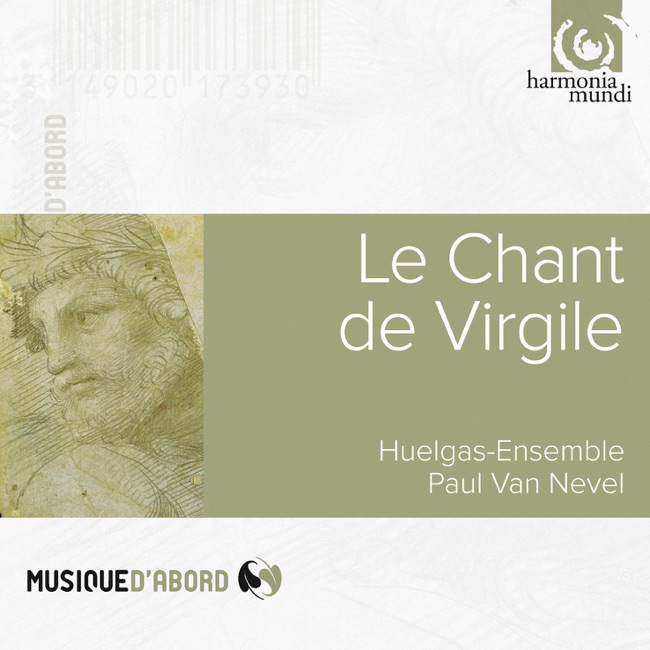
Works Info
Composer:Marbrianus de OrtoAverage_duration:3:11"Dulces exuviae" is a choral work composed by Marbrianus de Orto, a Flemish composer of the Renaissance era. The piece was composed in the late 15th century and is believed to have been premiered in the early 16th century. The work is a setting of a text from Virgil's Aeneid, specifically from the fourth book, in which the character Dido laments the departure of her lover Aeneas. The text is a poignant expression of grief and loss, and Orto's setting captures the emotional intensity of the words. The piece is written for four voices, with each part weaving in and out of the texture to create a rich and complex harmonic tapestry. The vocal lines are highly expressive, with frequent use of dissonance and chromaticism to convey the sense of sorrow and longing in the text. The work is divided into three movements, each of which explores a different aspect of the text. The first movement is a mournful lament, with the voices intertwining in a series of descending phrases that evoke the sense of a heartbroken sigh. The second movement is more agitated, with the voices rising and falling in a series of passionate outbursts that convey the intensity of Dido's emotions. The final movement is a quiet, introspective reflection, with the voices gradually fading away into silence as the text concludes. Overall, "Dulces exuviae" is a masterful example of Renaissance choral music, with its intricate harmonies, expressive vocal lines, and sensitive treatment of text. It remains a beloved work in the choral repertoire to this day, and a testament to the enduring power of music to capture the deepest emotions of the human experience.More....