


Marbrianus de Orto
Released Album
Choral
-
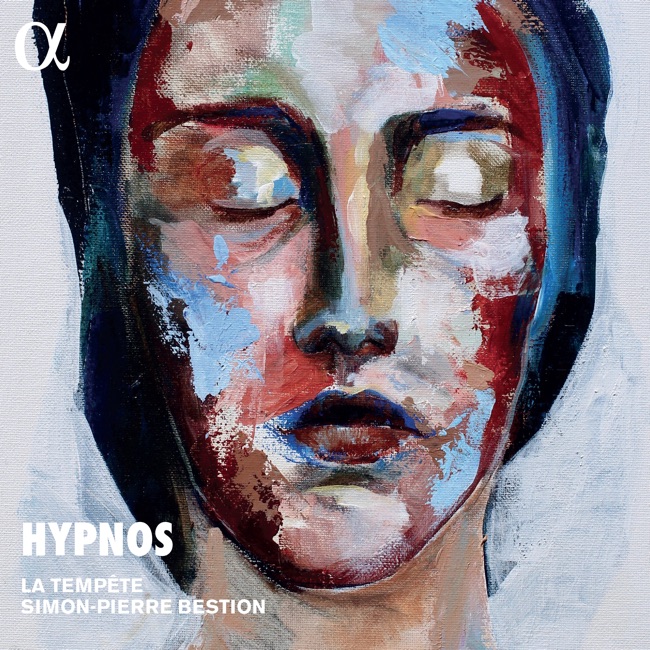 January 14, 2022
 -
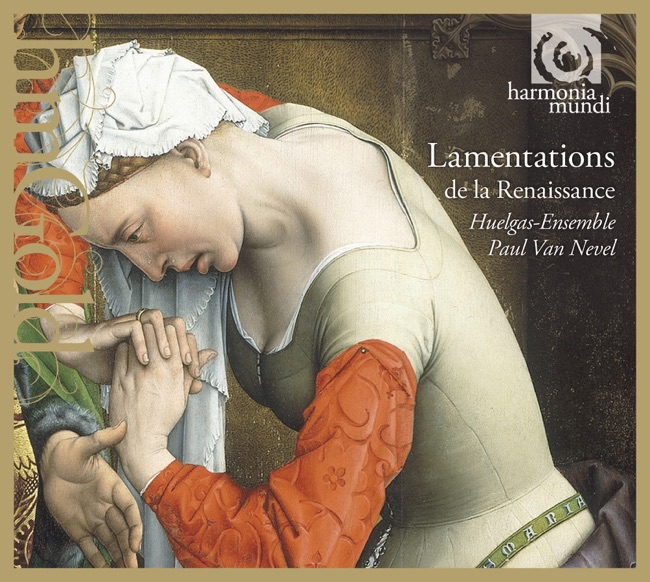 April 7, 2008
 -
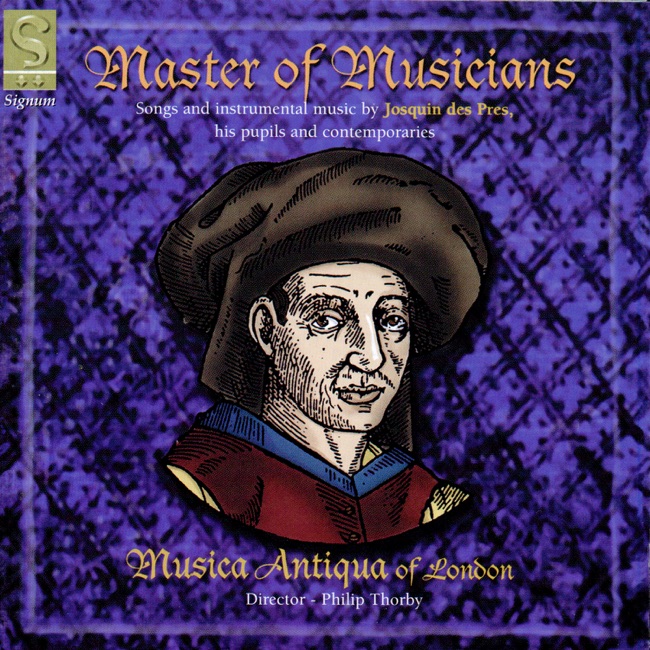 September 19, 2000
Artist Info
Role:ComposerCountry: FranceBirth:1460 in Tournai, FranceDeath:February, 1529 in Nivelles, BelgiumPeriod:RenaissanceGenre:ChoralMarbrianus de Orto was a prominent composer of the Renaissance period, known for his contributions to the development of polyphonic music. He was born in the early 15th century, in the town of Harelbeke, located in present-day Belgium. Not much is known about his early life, but it is believed that he received his musical education in the Low Countries, which were a hub of musical activity during the Renaissance. De Orto's career as a composer began in the mid-15th century, when he started working as a singer and composer for the court of Philip the Good, Duke of Burgundy. This was a prestigious position, as the Duke's court was known for its patronage of the arts, and attracted some of the most talented musicians and artists of the time. De Orto's work at the court involved composing music for various occasions, such as religious services, courtly events, and private concerts. One of the highlights of de Orto's career was his appointment as the maestro di cappella (music director) of the Cathedral of Cambrai, in northern France. This was a significant position, as the Cathedral was one of the most important musical institutions of the time, and had a long tradition of producing some of the finest composers and musicians in Europe. De Orto held this position for several years, during which he composed some of his most notable works. De Orto's music is characterized by its complex polyphonic textures, which feature multiple voices singing different melodies simultaneously. This was a hallmark of Renaissance music, and de Orto was one of the most skilled practitioners of this style. His compositions often featured intricate counterpoint, in which the different voices interweave and overlap in a complex web of sound. One of de Orto's most famous works is his Missa super "Ave maris stella," a setting of the Mass text based on the hymn "Hail, Star of the Sea." This work is notable for its use of a cantus firmus, a pre-existing melody that is used as the basis for the composition. In this case, the cantus firmus is the hymn "Ave maris stella," which is woven into the texture of the Mass setting in various ways. The result is a rich and complex work that showcases de Orto's mastery of polyphonic composition. Another notable work by de Orto is his motet "Passio Domini nostri Jesu Christi secundum Johannem," a setting of the Passion narrative from the Gospel of John. This work is notable for its use of chromaticism, a technique in which the music moves outside of the traditional diatonic scale to create a more expressive and emotional effect. De Orto's use of chromaticism in this work was groundbreaking for its time, and helped to pave the way for the more adventurous harmonies of later composers. De Orto's music was highly regarded during his lifetime, and he was widely recognized as one of the leading composers of his time. His works were performed throughout Europe, and he was sought after as a teacher and mentor by many aspiring musicians. Despite his success, however, de Orto's life remains shrouded in mystery, and much of his personal life and motivations are unknown. In conclusion, Marbrianus de Orto was a significant figure in the development of Renaissance music, and his contributions to the polyphonic style helped to shape the course of Western music for centuries to come.More....






Copyright Ⓒ 2013 Davinci Finger. All rights reseved
Service Terms & Policy