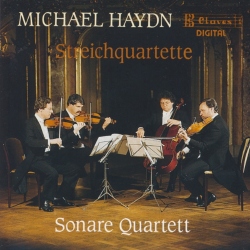
Michael Haydn
String Quartet in A major, MH 310 (P 122)
Released Album
Recent Album
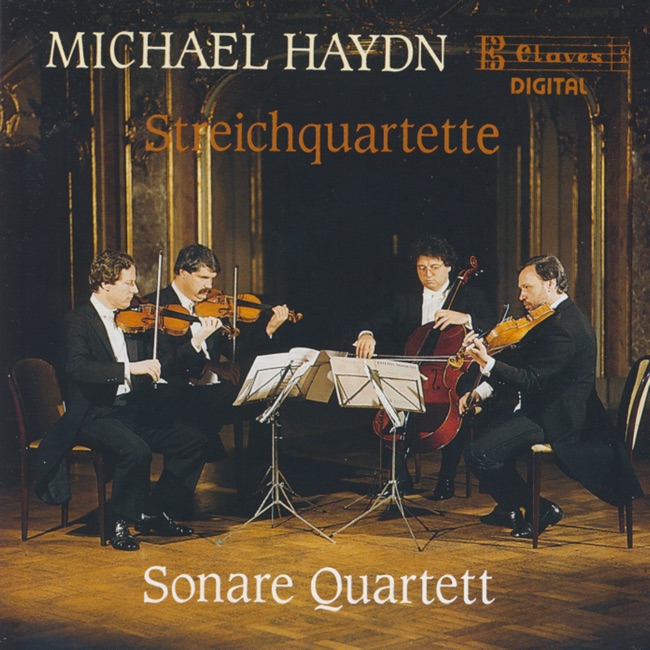
Works Info
Composer:Michael HaydnGenre:ChamberStyle:QuartetAverage_duration:9:13Michael Haydn's String Quartet in A major, MH 310 (P 122) was composed in the late 18th century, likely between 1780 and 1790. The piece was premiered in Salzburg, Austria, where Haydn spent much of his career as a composer and musician. The quartet is comprised of four movements: Allegro moderato, Andante, Menuetto, and Allegro. The first movement, Allegro moderato, is characterized by its lively tempo and use of counterpoint. The second movement, Andante, is a slower, more contemplative piece that showcases Haydn's skill at creating beautiful melodies. The Menuetto is a traditional dance movement, with a playful and upbeat character. The final movement, Allegro, is a fast-paced and energetic piece that brings the quartet to a thrilling conclusion. One of the most notable characteristics of Haydn's String Quartet in A major is its use of chromaticism. Throughout the piece, Haydn employs chromatic harmonies and melodies to create a sense of tension and release. This technique was relatively new at the time, and helped to establish Haydn as a leading composer of his era. Another notable aspect of the quartet is its use of dynamic contrast. Haydn frequently shifts between loud and soft passages, creating a sense of drama and excitement. This technique is particularly effective in the final movement, where the quartet builds to a thrilling climax. Overall, Michael Haydn's String Quartet in A major is a masterful work that showcases the composer's skill at creating beautiful melodies and complex harmonies. Its use of chromaticism and dynamic contrast make it a standout piece of classical music, and it remains a popular choice for string quartets to this day.More....
Works Music
Released Music
1
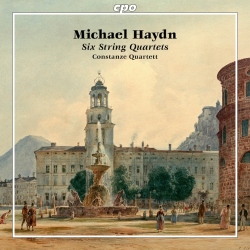
1:54
2
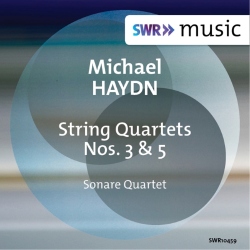
5:29