Giacomo Carissimi
Lungi, homai, deh spiega
Released Album
Recent Album

Works Info
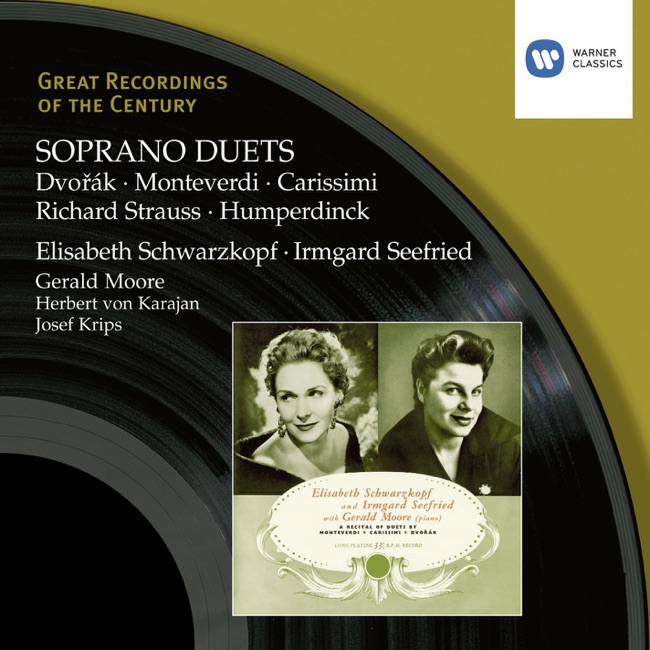
Composer:Giacomo CarissimiGenre:VocalStyle:CantataCompose Date:before 1673Average_duration:2:31'Lungi, homai, deh spiega' is a vocal piece composed by Giacomo Carissimi, an Italian composer of the Baroque era. The piece was composed in the mid-17th century and premiered in Rome, Italy. It is a solo cantata for soprano voice and continuo, consisting of three movements. The first movement, marked "Lungi, homai, deh spiega" (Far away, now, open up), is a recitative that sets the scene for the piece. The soprano voice sings of a lover who is far away and begs for the beloved to open up their heart and reveal their feelings. The second movement, marked "Ahi, non torna" (Alas, he does not return), is an aria that expresses the sorrow and longing of the lover. The soprano voice sings of the pain of waiting for the beloved to return and the fear that they may never come back. The final movement, marked "Ma, se non torna" (But, if he does not return), is another recitative that reflects on the possibility of the lover never returning. The soprano voice sings of the despair and hopelessness that comes with the thought of being alone forever. The piece is characterized by its expressive and emotional vocal lines, which are supported by a simple and understated continuo accompaniment. Carissimi's use of dissonance and chromaticism adds to the emotional intensity of the piece, while his use of repetition and variation creates a sense of unity and coherence. Overall, 'Lungi, homai, deh spiega' is a beautiful and poignant example of Baroque vocal music, showcasing Carissimi's skill as a composer and his ability to convey complex emotions through music.More....
Works Music