Heinrich Ignaz Franz von Biber
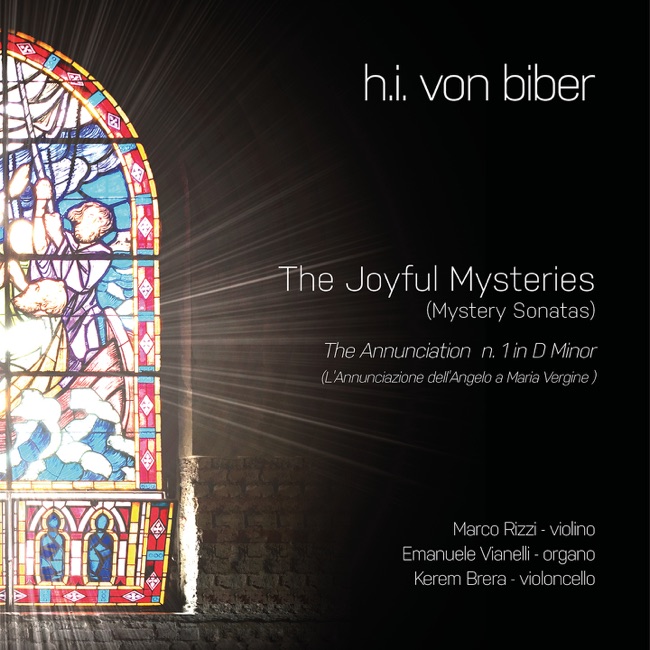
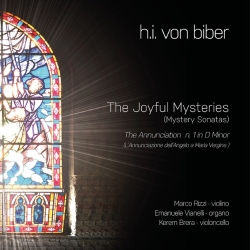
Mystery Sonata No. 1 in D minor "The Annunciation", C. 90
Released Album
Recent Album


Works Info
Composer:Heinrich Ignaz Franz von BiberGenre:ChamberStyle:SonataCompose Date:1676Publication Date:1905Average_duration:5:52Movement_count:4Movement ....Heinrich Ignaz Franz von Biber's 'Mystery Sonata No. 1 in D minor The Annunciation, C. 90' is a Baroque-era composition that was composed in the late 17th century. The piece is part of a collection of 15 sonatas known as the 'Rosary Sonatas' or 'Mystery Sonatas,' which are based on the mysteries of the Rosary. The Annunciation is the first of these sonatas and is believed to have been composed around 1676. The sonata is divided into four movements, each of which represents a different aspect of the Annunciation story. The first movement, titled 'Praeludium,' is an instrumental introduction that sets the tone for the piece. It is a slow and somber movement that features a descending chromatic scale, which is meant to represent the descent of the Holy Spirit. The second movement, titled 'Annuntiatio Mariae,' is a lively and joyful movement that represents the moment when the angel Gabriel appears to Mary to announce that she will bear a son. The movement features fast and intricate violin passages that are meant to represent the excitement and energy of the moment. The third movement, titled 'Visitatio Elisabeth,' is a slower and more contemplative movement that represents Mary's visit to her cousin Elizabeth. The movement features a beautiful and lyrical violin melody that is meant to evoke a sense of peace and serenity. The final movement, titled 'Praesentatio Jesu in Templo,' is a triumphant and celebratory movement that represents the presentation of Jesus in the temple. The movement features fast and virtuosic violin passages that are meant to represent the joy and excitement of the occasion. Overall, 'Mystery Sonata No. 1 in D minor The Annunciation, C. 90' is a beautiful and complex piece of music that showcases Biber's skill as a composer and his ability to evoke a range of emotions through his music. The piece is a testament to the power of music to tell stories and convey meaning, and it remains a beloved work of the Baroque era to this day.More....
Works Music
Released Music
1

7:10
2
2:7
3
2:1
4

7:5
5
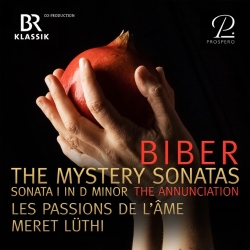
2:7
6
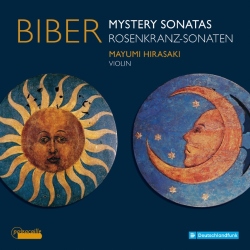
6:7
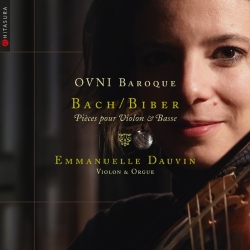
8
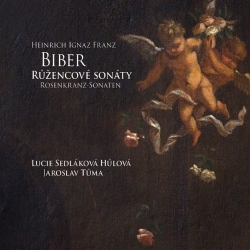
29
9
4:40
10
2:28