


Claudio Monteverdi
Sanctorum meritis inclita gaudia (I) (from Selva morale e spirituale), SV 277
Released Album
Recent Album

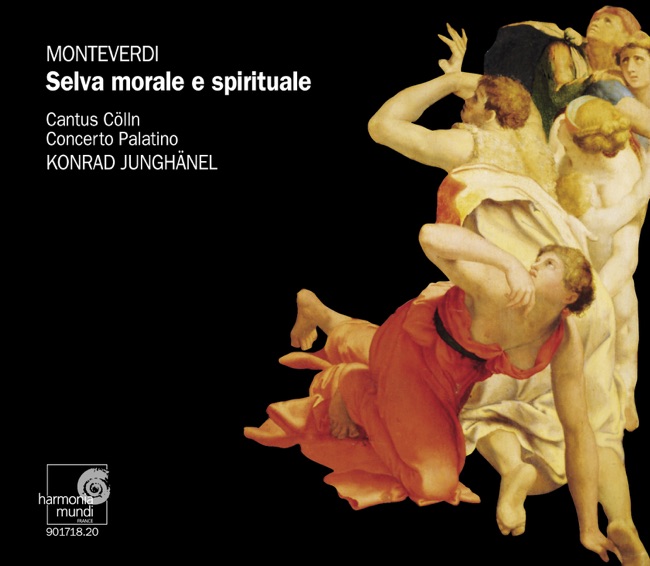
Featured Album
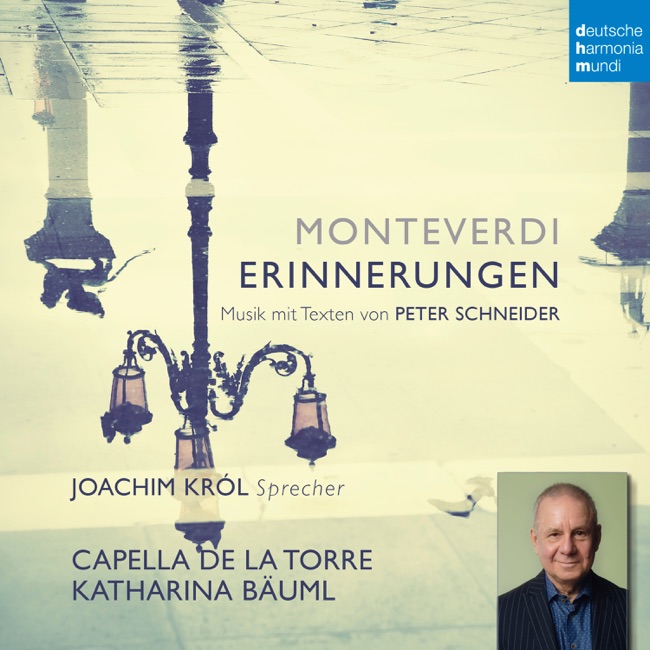
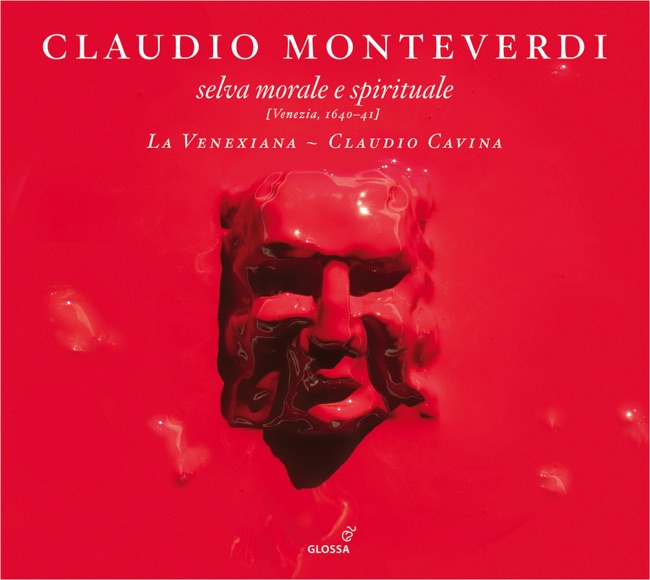
Works Info
Composer:Claudio MonteverdiGenre:ChoralStyle:MotetCompose Date:ca. 1640Average_duration:3:48Claudio Monteverdi's 'Sanctorum meritis inclita gaudia (I)' is a sacred motet that was composed in the early 17th century. It is part of Monteverdi's larger collection of sacred music, Selva morale e spirituale, which was published in 1640. The motet is written for four voices (soprano, alto, tenor, and bass) and is characterized by its rich harmonies, expressive melodies, and intricate counterpoint. The premiere of 'Sanctorum meritis inclita gaudia (I)' is not known, but it was likely performed in a church or chapel during a religious service. The motet is divided into three movements, each of which is based on a different text from the Roman Catholic liturgy. The first movement, 'Sanctorum meritis inclita gaudia,' is a hymn of praise to the saints. The text is taken from the Common of Saints, which is a section of the liturgy that is used to celebrate the feast days of saints. Monteverdi's setting of the text is characterized by its lively rhythms, soaring melodies, and rich harmonies. The voices weave in and out of each other, creating a complex tapestry of sound that is both joyful and reverent. The second movement, 'Beatus vir qui suffert tentationem,' is a setting of a text from the Epistle of James. The text speaks of the blessings that come to those who endure trials and tribulations. Monteverdi's setting of the text is more subdued than the first movement, with a slower tempo and more contemplative melodies. The voices are more independent in this movement, with each voice taking turns singing the text. The third movement, 'Laudate Dominum omnes gentes,' is a setting of a text from Psalm 117. The text is a call to all nations to praise the Lord. Monteverdi's setting of the text is characterized by its grandeur and majesty. The voices are more unified in this movement, singing together in powerful harmonies that build to a triumphant conclusion. Overall, 'Sanctorum meritis inclita gaudia (I)' is a masterful example of Monteverdi's skill as a composer of sacred music. Its rich harmonies, expressive melodies, and intricate counterpoint make it a timeless masterpiece that continues to be performed and admired today.More....
Works Music
Released Music
1
2:47
2
4:7
3

2:46
4
Sanctorum meritis inclita gaudia (I) (from Selva morale espiritual), SV 277
Sanctorum meritis (Primo) (from Selva morale e spirituale)
4:43
5
Sanctorum meritis inclita gaudia (I) (from Selva morale espiritual), SV 277
Sanctorum meritis (Primo) (from Selva morale e spirituale)
4:43
6
3:19
Featured Music
1
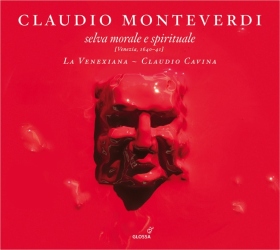
Sanctorum meritis inclita gaudia (I) (from Selva morale espiritual), SV 277
Te Ioseph celebret (Hymnus) (sulla musica di 'Sanctorum meritis')
3:40
2
Sanctorum meritis inclita gaudia (I) (from Selva morale espiritual), SV 277
Sanctorum meritis, SV 277
2:46