


Johann Jacob Froberger
Suite for harpsichord No. 4 in F major
Released Album
Recent Album
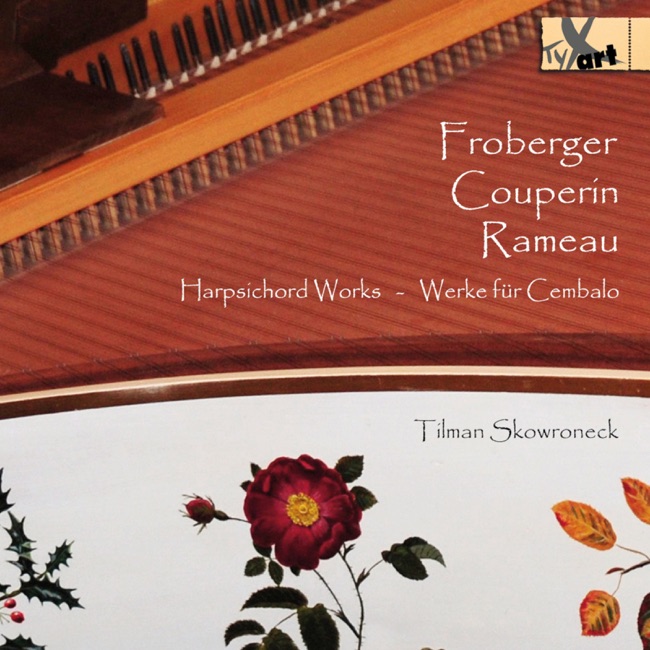
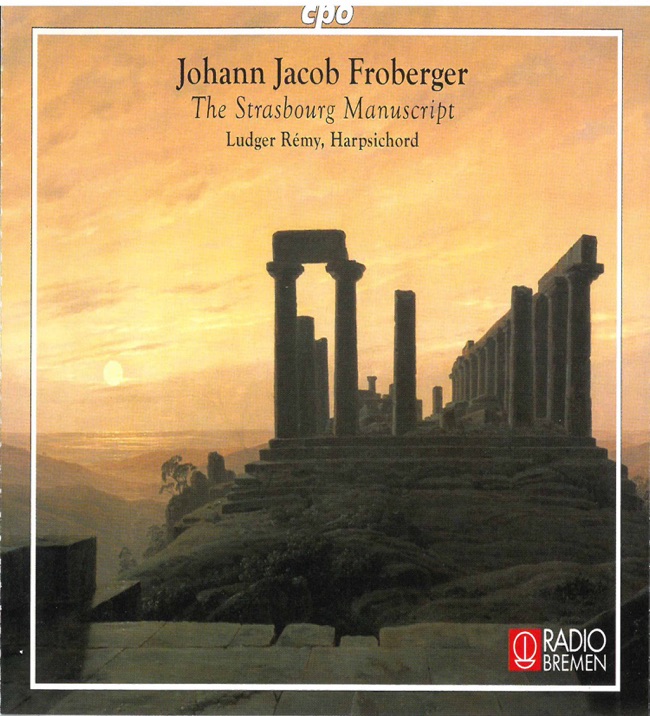
Featured Album
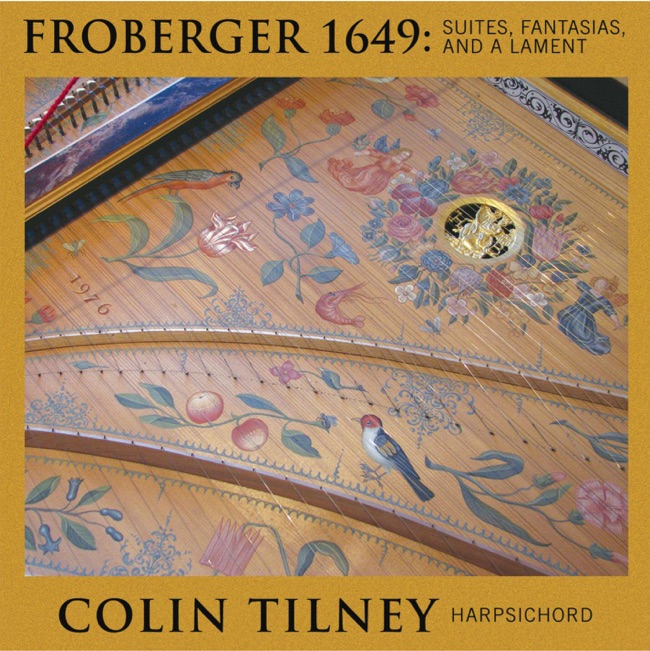
Works Info
Composer:Johann Jacob FrobergerGenre:KeyboardStyle:KeyboardAverage_duration:9:22Johann Jacob Froberger's Suite for Harpsichord No. 4 in F major is a baroque keyboard work composed in the mid-17th century. The exact date of composition is unknown, but it is believed to have been written between 1656 and 1661. The suite consists of seven movements, each with its own unique character and style. The suite opens with a lively and joyful Allemande, a popular dance form of the time. The second movement is a Courante, a fast-paced dance in triple meter that features intricate ornamentation and virtuosic runs. The third movement is a Sarabande, a slow and stately dance that is characterized by its emphasis on the second beat of each measure. The fourth movement is a Gigue, a lively dance in compound meter that features syncopated rhythms and rapid-fire arpeggios. The fifth movement is a Gavotte, a dance form that originated in France and is characterized by its moderate tempo and graceful melodies. The sixth movement is a Rigaudon, a lively dance in duple meter that features a distinctive dotted rhythm. The suite concludes with a lively and energetic Passacaglia, a form that features a repeating bass line over which the composer can improvise variations. Froberger's Passacaglia is particularly notable for its use of chromaticism and dissonance, which were unusual for the time. Overall, Froberger's Suite for Harpsichord No. 4 in F major is a masterful example of baroque keyboard music. Its seven movements showcase a wide range of styles and moods, from the joyful exuberance of the Allemande to the stately elegance of the Sarabande to the virtuosic fireworks of the Gigue. The suite is a testament to Froberger's skill as a composer and his ability to create music that is both technically challenging and emotionally expressive.More....
Works Music
Released Music
Featured Music
1
2:49
2
1:48
3
1:26