Tomás Luis de Victoria
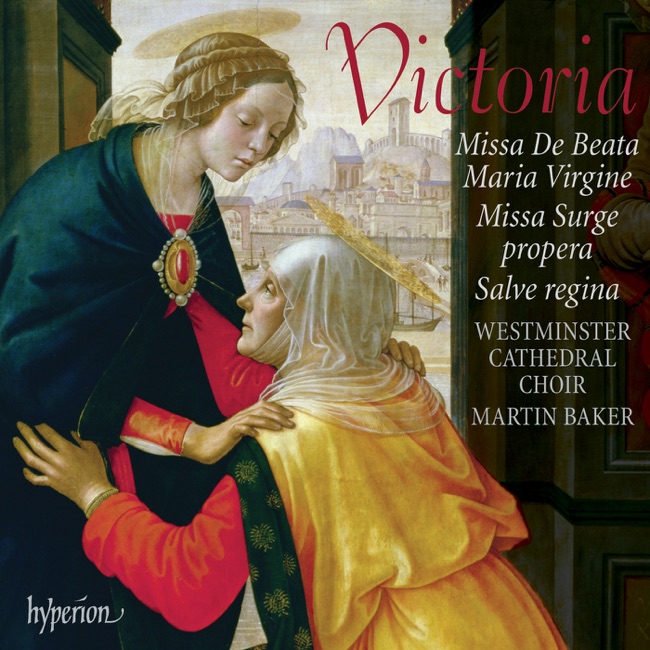
Missa De Beata Maria Virgine
Released Album
Recent Album
Works Info
Composer:Tomás Luis de VictoriaGenre:ChoralCompose Date:1576Average_duration:27:30Tomás Luis de Victoria's 'Missa De Beata Maria Virgine' is a masterpiece of Renaissance polyphony. It was composed in 1600 and premiered in the same year in Madrid, Spain. The mass is divided into six movements: Kyrie, Gloria, Credo, Sanctus, Benedictus, and Agnus Dei. The 'Missa De Beata Maria Virgine' is characterized by its intricate polyphonic textures, rich harmonies, and expressive melodies. Victoria's use of dissonance and chromaticism creates a sense of tension and release, adding to the emotional depth of the work. The mass is also notable for its use of imitation, where one voice introduces a melody that is then echoed by other voices. The Kyrie is a solemn and introspective movement, with the voices weaving in and out of each other in a complex web of sound. The Gloria is a joyful and exuberant movement, with the voices soaring to great heights in praise of God. The Credo is a longer movement, with Victoria using a variety of textures and harmonies to convey the many different aspects of the Christian faith. The Sanctus is a majestic movement, with the voices building to a powerful climax. The Benedictus is a more subdued movement, with the voices singing in a gentle and contemplative manner. The Agnus Dei is a final plea for mercy and forgiveness, with the voices coming together in a hauntingly beautiful harmony. Overall, the 'Missa De Beata Maria Virgine' is a stunning example of Renaissance polyphony, showcasing Victoria's mastery of the form. Its intricate textures, rich harmonies, and expressive melodies make it a timeless masterpiece that continues to inspire and move listeners to this day.More....
Works Music