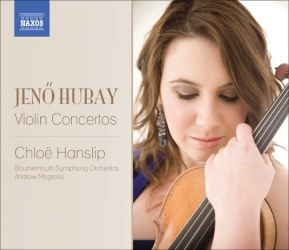
Jenö Hubay
Scène de la Csárda No. 4 "Hejre Kati", Op. 32
Released Album
Recent Album




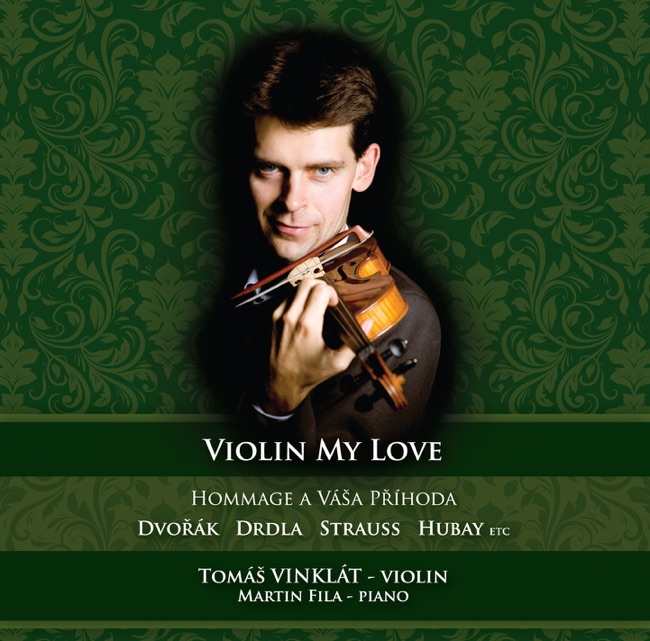
Featured Album
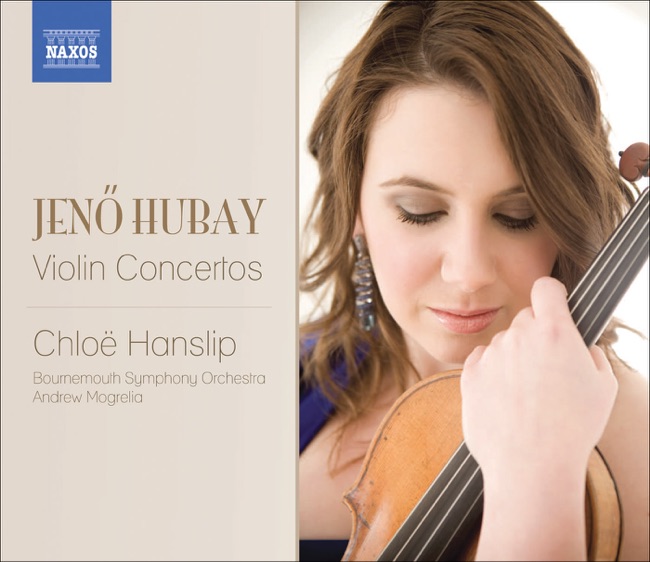
Works Info
Composer:Jenö HubayGenre:ChamberStyle:Character PieceCompose Date:ca. 1880 - 1881Average_duration:5:25"Scène de la Csárda No. 4 Hejre Kati, Op. 32" is a famous composition by Hungarian violinist and composer Jenö Hubay. It was composed in 1904 and premiered in the same year in Budapest. The piece is part of a series of Hungarian dances and folk-inspired pieces that Hubay composed throughout his career. The composition is divided into three movements, each with its own distinct character and tempo. The first movement is marked Allegro moderato and is characterized by its lively and energetic rhythms. The second movement, marked Andante, is more lyrical and introspective, with a slower tempo and more expressive melodies. The final movement, marked Allegro vivace, is a fast and virtuosic dance that showcases the technical abilities of the violinist. The piece is named after the Hungarian folk song "Hejre Kati," which is quoted throughout the composition. The melody of the folk song is woven into the fabric of the piece, appearing in various forms and variations throughout the three movements. The use of folk melodies and rhythms is a hallmark of Hubay's style, and he was known for his ability to infuse his compositions with the spirit and energy of Hungarian folk music. Overall, "Scène de la Csárda No. 4 Hejre Kati, Op. 32" is a lively and engaging composition that showcases the technical and musical abilities of the violinist. Its use of Hungarian folk melodies and rhythms gives it a distinct character and makes it a beloved piece in the repertoire of many violinists.More....
Works Music
Released Music

2

2:50

10

2:23
Featured Music