Tomás Luis de Victoria
Doctor bonus amicus Dei Andreas
Released Album
Recent Album
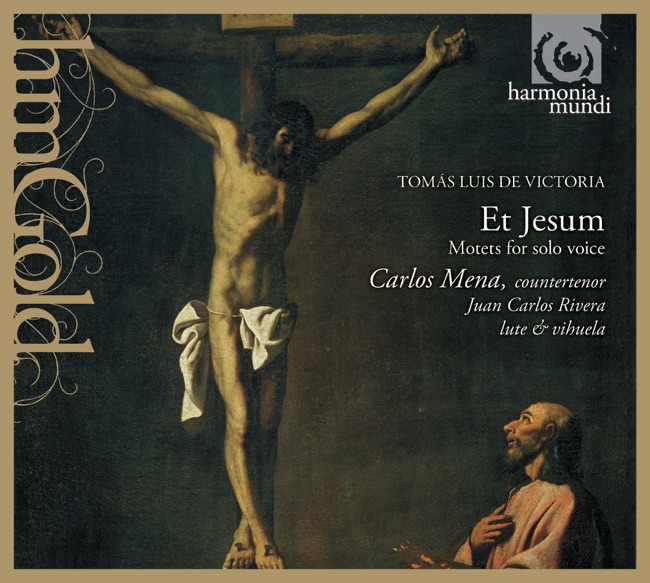
Works Info
Composer:Tomás Luis de VictoriaGenre:ChoralStyle:MotetPublication Date:1572Average_duration:3:07Tomás Luis de Victoria was a Spanish composer of the Renaissance period, known for his sacred music. One of his most famous works is the motet "Doctor bonus amicus Dei Andreas," which was composed in 1575. The motet was written in honor of St. Andrew, one of the twelve apostles of Jesus Christ. It is a six-voice composition, with two soprano, alto, tenor, baritone, and bass parts. The text is in Latin and is taken from the Gospel of John, chapter 1, verses 35-42. The motet is divided into three movements. The first movement is a polyphonic setting of the text "Andrew, the good doctor and friend of God, was the first to find his own brother Simon and said to him, 'We have found the Messiah.'" The second movement is a homophonic setting of the text "And he brought him to Jesus." The third movement is a polyphonic setting of the text "Jesus looked at him and said, 'You are Simon, son of John. You shall be called Cephas,' which means Peter." The motet is characterized by its rich harmonies, expressive melodies, and intricate counterpoint. Victoria uses a variety of musical techniques to convey the meaning of the text, such as word painting, where the music reflects the meaning of the words. For example, when the text mentions "finding" the Messiah, the music becomes more lively and energetic. "Doctor bonus amicus Dei Andreas" premiered in the Chapel Royal of Philip II of Spain, where Victoria was the chapel master. It quickly became popular and was performed in churches throughout Spain and Europe. Today, it is still considered one of Victoria's most important works and is frequently performed in concerts and religious services.More....