


Michel Corrette
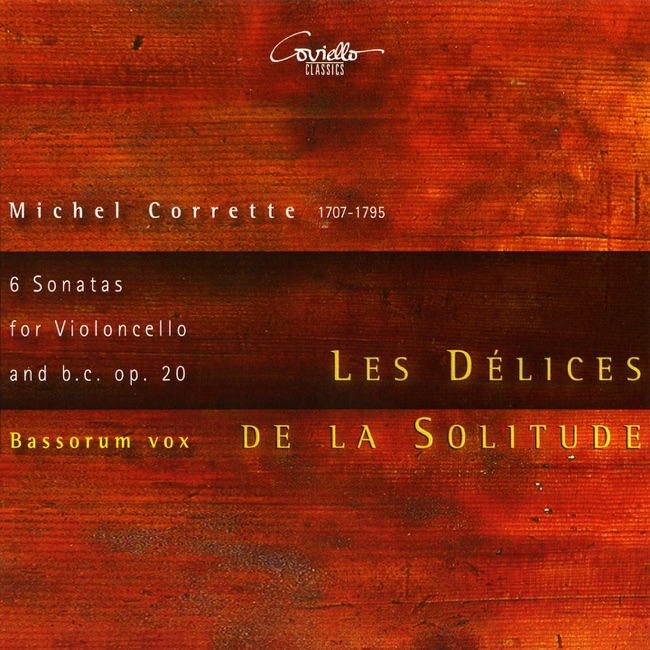
Sonata for cello, viol, bassoon & continuo No. 6 in D major, Op. 20
Released Album
Recent Album
Works Info
Composer:Michel CorretteGenre:ChamberStyle:Chamber MusicCompose Date:1736Average_duration:11:04Movement_count:3Movement ....The Sonata for cello, viol, bassoon & continuo No. 6 in D major, Op. 20 was composed by Michel Corrette, a French composer and organist, in the mid-18th century. The exact date of composition is unknown, but it is believed to have been written around 1750. The piece was premiered in Paris, where Corrette was based, and quickly gained popularity among musicians and audiences alike. The sonata is divided into three movements, each with its own distinct character and style. The first movement, marked Allegro, is a lively and energetic piece that showcases the virtuosity of the performers. The cello, viol, and bassoon take turns playing the main melody, while the continuo provides a steady rhythmic foundation. The movement is characterized by its use of syncopation and rapid scale passages, which create a sense of urgency and excitement. The second movement, marked Adagio, is a slow and lyrical piece that provides a contrast to the first movement. The cello and viol play a duet, with the bassoon and continuo providing a subtle accompaniment. The melody is simple and elegant, with long, flowing phrases that evoke a sense of melancholy and introspection. The final movement, marked Allegro, is a fast and playful piece that brings the sonata to a lively conclusion. The cello, viol, and bassoon engage in a lively dialogue, with each instrument taking turns playing the main melody. The movement is characterized by its use of counterpoint and imitation, as the performers play off each other in a series of intricate and complex musical exchanges. Overall, the Sonata for cello, viol, bassoon & continuo No. 6 in D major, Op. 20 is a masterful example of Baroque chamber music. It showcases Corrette's skill as a composer and his ability to write music that is both technically challenging and musically engaging. The piece remains a popular choice for performers and audiences alike, and continues to be studied and admired by musicians and music lovers around the world.More....
Works Music
Released Music
1
3:50
2

5:25
3
5:52