


Carlo Gesualdo
Ancor che per amarti, W. 6/92
Released Album
Recent Album

Works Info
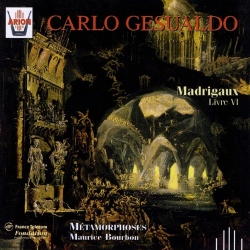
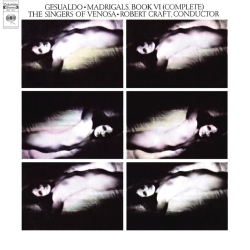
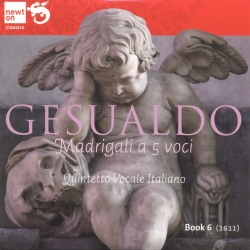
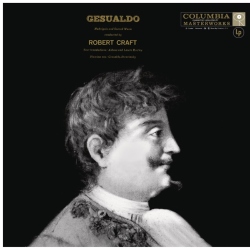
Composer:Carlo GesualdoGenre:VocalStyle:MadrigalCompose Date:1611Average_duration:3:10'Ancor che per amarti' is a madrigal composed by Carlo Gesualdo, an Italian composer and nobleman of the late Renaissance period. The piece was composed in the late 16th century, around 1594, and is part of Gesualdo's sixth book of madrigals. The madrigal is written for five voices, with two sopranos, alto, tenor, and bass. It is a complex and highly expressive piece, with Gesualdo's characteristic use of chromaticism and dissonance. The text is a love poem, expressing the speaker's devotion to his beloved, even in the face of rejection. The piece is divided into three movements, each with its own distinct character. The first movement is slow and mournful, with the voices weaving in and out of each other in a complex web of harmonies. The second movement is faster and more rhythmic, with the voices imitating each other in a lively dance. The final movement returns to the slow, mournful character of the first, with the voices gradually fading away into silence. Gesualdo's use of chromaticism and dissonance in 'Ancor che per amarti' is particularly striking. He often uses unexpected harmonies and sudden shifts in tonality, creating a sense of tension and unease. This was a hallmark of Gesualdo's style, and one that set him apart from his contemporaries. The premiere of 'Ancor che per amarti' is not known, but it was likely performed in Gesualdo's own court in Naples. The piece was part of his sixth book of madrigals, which was published in 1611, several years after his death. Overall, 'Ancor che per amarti' is a powerful and expressive piece of music, showcasing Gesualdo's unique style and his mastery of complex harmonies and dissonances. It remains a popular piece in the repertoire of Renaissance vocal music.More....
Works Music
Released Music

3
2:6
5
2:39