Charles Hylton Stewart
Psalm 13 "How Long Wilt Thou Forget Me, O Lord, Forever?"
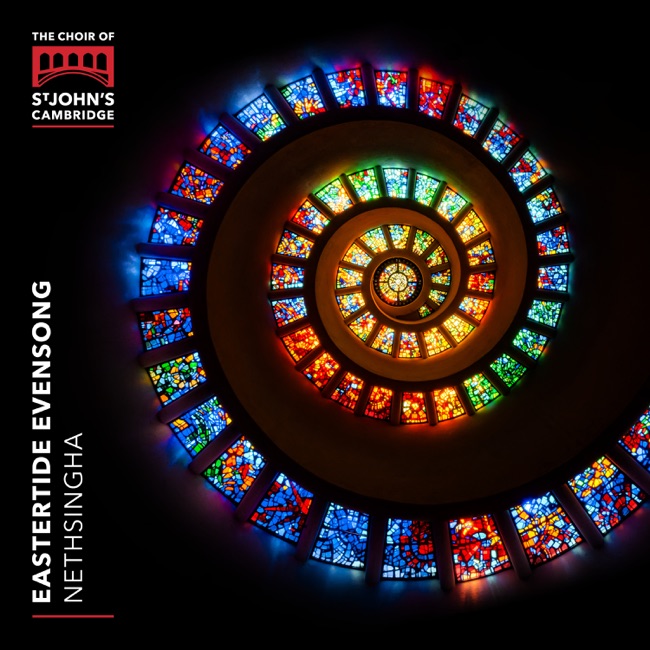
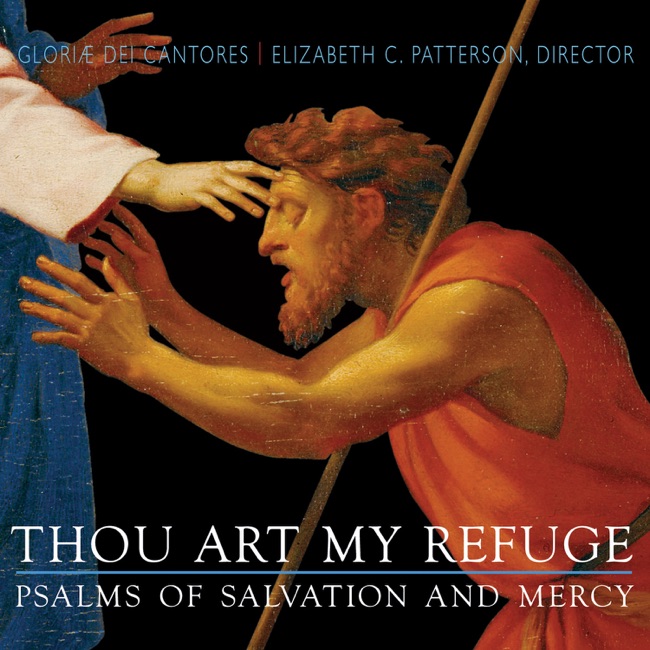
Released Album
Recent Album
Works Info
Composer:Charles Hylton StewartGenre:ChoralStyle:ChoralAverage_duration:1:52'Psalm 13 How Long Wilt Thou Forget Me, O Lord, Forever?' is a choral work composed by Charles Hylton Stewart. The piece was composed in 1928 and premiered in the same year. It is a setting of Psalm 13, which is a lamentation of the psalmist who feels abandoned by God. The piece is divided into three movements. The first movement begins with a slow and mournful introduction, which sets the tone for the entire piece. The choir enters with a unison chant of the first verse of the psalm, "How long wilt thou forget me, O Lord, forever?" The music is characterized by a sense of longing and despair, with the choir singing in a minor key. The movement ends with a repetition of the opening chant, which fades away into silence. The second movement is more upbeat and hopeful, with the choir singing in a major key. The music is characterized by a sense of anticipation and expectation, as the psalmist asks God to "lighten mine eyes." The choir sings in harmony, with the voices rising and falling in a gentle wave-like motion. The movement ends with a repetition of the opening chant, which is now sung in a more hopeful tone. The third movement is a return to the mournful tone of the first movement. The choir sings in a minor key, with the voices rising and falling in a mournful lament. The psalmist asks God to "consider and hear me," and the choir repeats this phrase several times, each time with increasing intensity. The movement ends with a repetition of the opening chant, which is now sung in a more desperate tone. Overall, 'Psalm 13 How Long Wilt Thou Forget Me, O Lord, Forever?' is a powerful and emotional work that captures the sense of despair and hopelessness expressed in the psalm. The music is characterized by a sense of longing and despair, with the choir singing in a minor key. However, there are also moments of hope and anticipation, as the psalmist looks to God for help and guidance. The piece is a testament to the enduring power of the psalms, and to the ability of music to express the deepest emotions of the human soul.More....
Works Music