György Ligeti
Concert Românesc
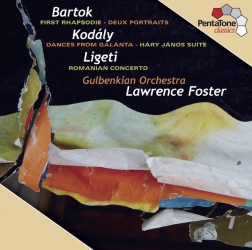
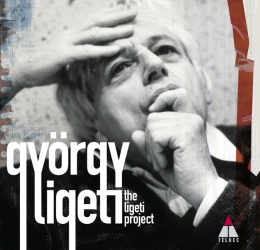
Released Album
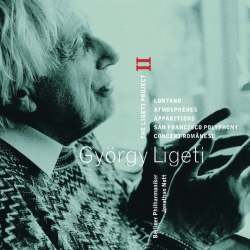
Recent Album
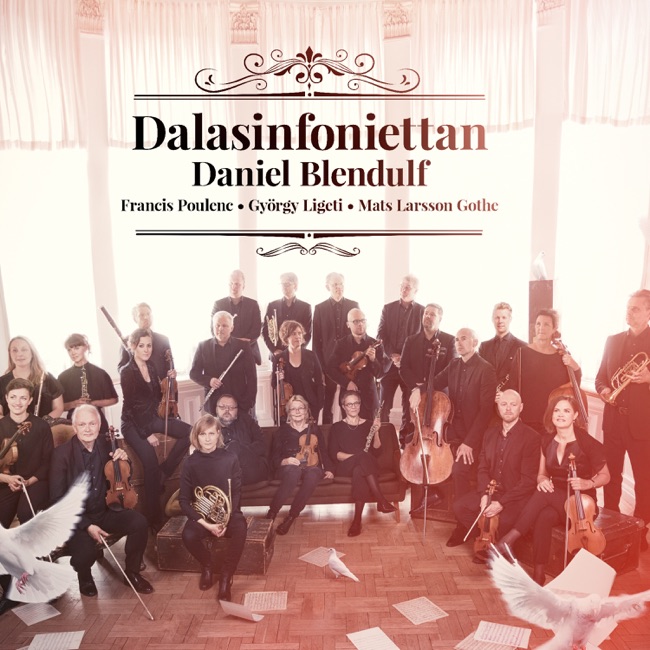
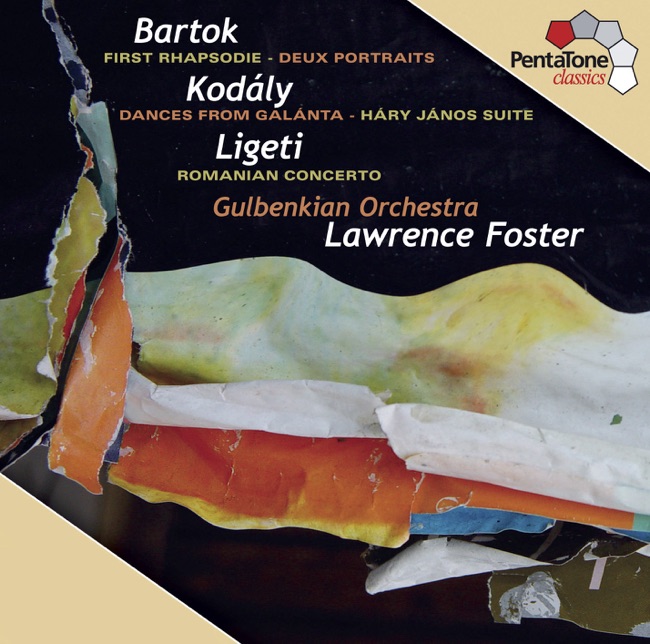
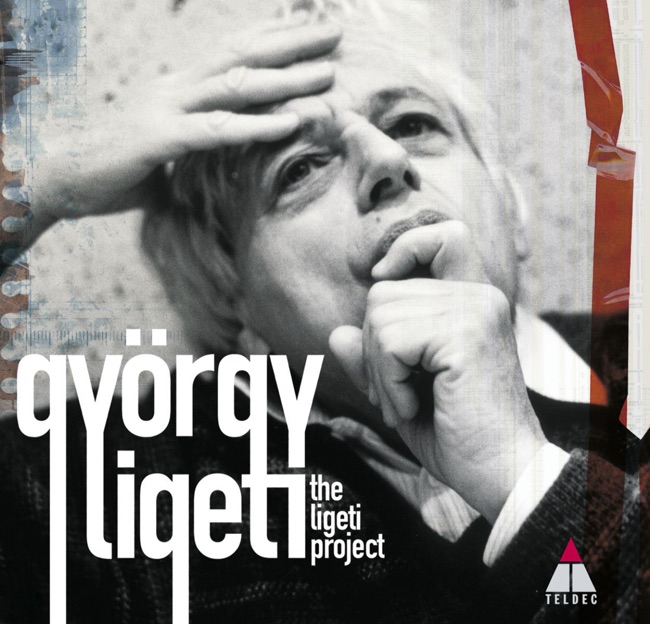
Featured Album
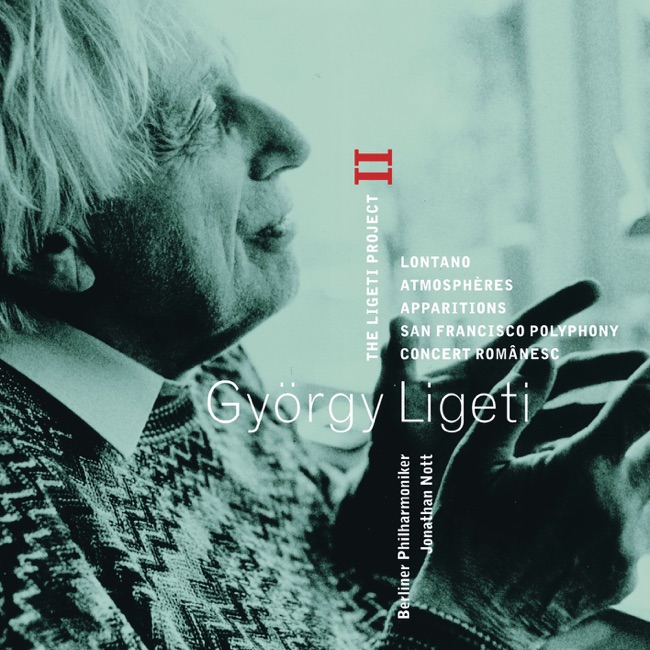
Works Info
Composer:György LigetiGenre:OrchestralStyle:OrchestralCompose Date:1952Average_duration:12:08Movement_count:4Movement ....Concert Românesc is a composition for orchestra by Hungarian composer György Ligeti. It was composed in 1951 and premiered on November 2, 1951, in Cluj-Napoca, Romania. The piece is divided into four movements, each of which is based on Romanian folk music. The first movement, "Andantino con moto," is based on a dance called "Hora lungă." It begins with a solo clarinet playing a simple melody, which is then taken up by the rest of the orchestra. The music gradually becomes more complex, with different instruments playing different rhythms and melodies. The movement ends with a return to the simple melody played by the clarinet. The second movement, "Allegro vivace," is based on a dance called "Buciumeana." It begins with a fast, rhythmic melody played by the strings. The music becomes more and more frenzied, with the different sections of the orchestra playing off each other. The movement ends with a sudden stop. The third movement, "Lento," is based on a song called "Munténie." It begins with a slow, mournful melody played by the strings. The music gradually becomes more complex, with different instruments playing different harmonies and rhythms. The movement ends with a return to the simple melody played by the strings. The fourth movement, "Molto vivace," is based on a dance called "Maruntel." It begins with a fast, rhythmic melody played by the strings. The music becomes more and more frenzied, with the different sections of the orchestra playing off each other. The movement ends with a sudden stop. Overall, Concert Românesc is a lively and colorful piece of music that showcases Ligeti's skill at incorporating folk music into his compositions. The use of different rhythms and harmonies creates a sense of complexity and excitement, while the simple melodies played by the solo instruments provide a sense of familiarity and tradition.More....