Robert de Visée
Prélude for theorbo in G minor
Released Album
Recent Album
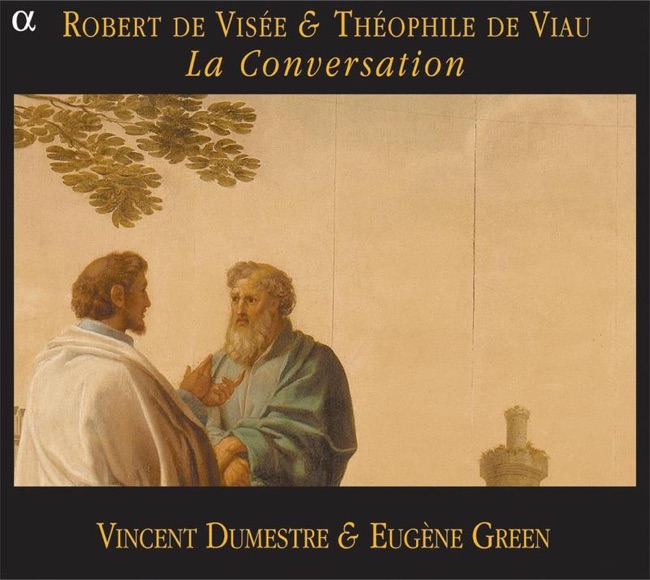
Featured Album
Works Info
Composer:Robert de ViséeGenre:ChamberStyle:Chamber MusicAverage_duration:1:20Robert de Visée was a French Baroque composer and lutenist who lived from 1655 to 1732. He was a prominent figure in the French court and was known for his compositions for the theorbo, a large lute-like instrument with an extended neck and a second pegbox. One of his most famous works is the "Prélude for theorbo in G minor," which was composed in the late 17th century. The "Prélude for theorbo in G minor" is a solo piece for the theorbo, and it is characterized by its melancholic and introspective mood. The piece is in the key of G minor, which is a common key for Baroque music, and it is written in a binary form, with two distinct sections that are repeated. The piece begins with a slow and mournful introduction, with the theorbo playing a descending melody that is full of pathos. This section is marked by its use of dissonant harmonies and chromaticism, which create a sense of tension and unease. The second section of the piece is more lively and upbeat, with the theorbo playing a faster and more rhythmic melody. This section is marked by its use of arpeggios and rapid scale passages, which showcase the virtuosic abilities of the performer. Overall, the "Prélude for theorbo in G minor" is a beautiful and haunting piece of music that showcases the expressive capabilities of the theorbo. It was likely composed in the late 17th century, during Visée's time at the French court, and it has since become a staple of the Baroque repertoire. The piece has been performed and recorded by many notable musicians, and it remains a testament to Visée's skill as a composer and performer.More....
Works Music
Released Music
4
1:3
Featured Music