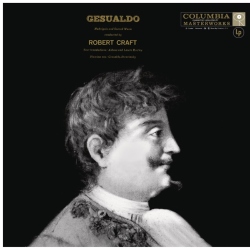
Carlo Gesualdo
Tristis est anima mea, W. 7/13
Released Album
Recent Album
-
-
 Julie WintrebertNovember 22, 2019
 -
-
-
-
-
-
Featured Album
Works Info
Composer:Carlo GesualdoGenre:ChoralStyle:ChoralCompose Date:1611Average_duration:5:51Carlo Gesualdo, Prince of Venosa, was an Italian composer of the late Renaissance period. He is known for his highly expressive and chromatic music, which was ahead of its time and anticipated many features of the Baroque era. One of his most famous works is the motet "Tristis est anima mea," which was composed in 1611 and premiered in the same year. "Tristis est anima mea" is a setting of the text from the Gospel of Matthew, in which Jesus tells his disciples that his soul is sorrowful even unto death. The motet is divided into three movements, each of which reflects a different aspect of the text. The first movement is slow and mournful, with a descending chromatic melody that emphasizes the sadness of the text. The second movement is faster and more agitated, with a rising chromatic melody that suggests the turmoil of Jesus' soul. The third movement returns to the slow and mournful character of the first, but with a more hopeful tone that suggests the eventual triumph of Jesus over death. The music of "Tristis est anima mea" is characterized by its intense emotional expression and its use of chromaticism. Gesualdo was known for his innovative use of chromaticism, which involved the use of notes outside of the traditional diatonic scale. This gave his music a highly expressive and dramatic character, but also made it difficult to perform and understand. The motet is also notable for its use of dissonance, which was a hallmark of Gesualdo's style. The dissonances in the music create a sense of tension and unease, which reflects the emotional turmoil of the text. Overall, "Tristis est anima mea" is a powerful and moving work that showcases Gesualdo's unique style and his ability to convey deep emotion through music. Its premiere in 1611 was a significant event in the history of Renaissance music, and it continues to be performed and admired today.More....
Works Music
Released Music
1

5:13
2
2:7
3
Tristis est anima mea, W. 7/13
Tristis est anima mea (Responsoria et alia ad Officium Hebdomadae Sanctae spectantia, 1611)
4:58
5
5:8
8
5:27
Featured Music