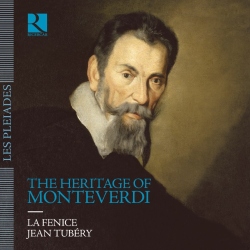
Giovanni Francesco Capello
Dic mihi, sacratissima virgo
Released Album
Recent Album
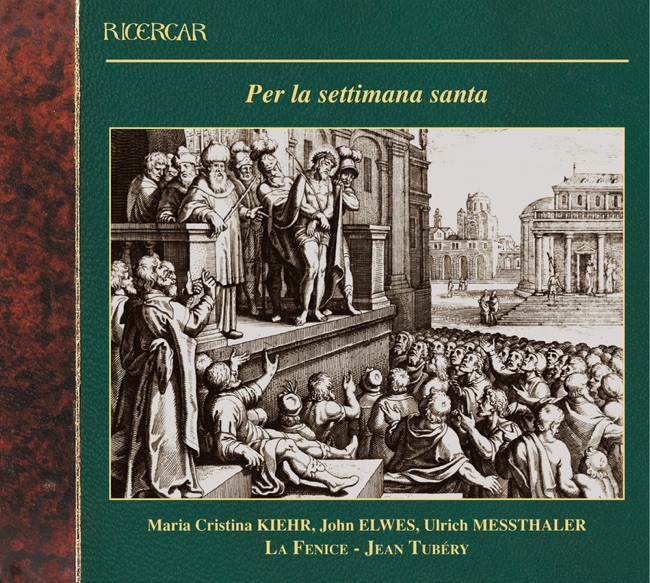
Featured Album
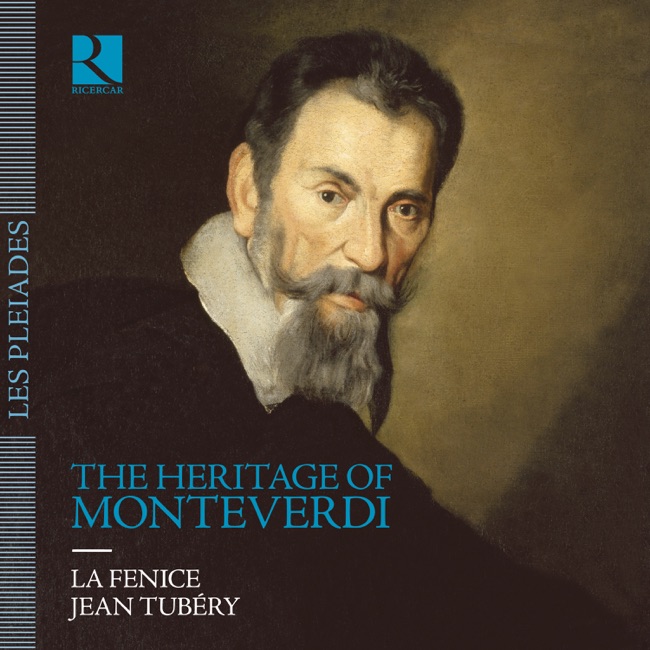
Works Info
Composer:Giovanni Francesco CapelloAverage_duration:3:59Giovanni Francesco Capello was an Italian composer of the Baroque era, born in Venice in 1629. He was a prolific composer of sacred music, and his works were widely performed in churches and cathedrals throughout Italy. One of his most famous compositions is "Dic mihi, sacratissima virgo," a motet for soprano, alto, tenor, and bass voices. The composition of "Dic mihi, sacratissima virgo" is not precisely known, but it is believed to have been written in the mid-17th century. The piece is a setting of a Latin text that praises the Virgin Mary, asking her to intercede on behalf of the faithful. The text is divided into three sections, each with its own musical theme and character. The first section of the motet is marked "Allegro," and it features a lively, dance-like rhythm. The soprano and alto voices sing a duet, with the tenor and bass voices providing a harmonic foundation. The music is joyful and celebratory, reflecting the exaltation of the Virgin Mary. The second section of the motet is marked "Adagio," and it is a more contemplative and introspective passage. The music is slower and more mournful, with the voices singing in a more homophonic style. The text of this section asks the Virgin Mary to console those who are suffering and to help them find peace. The final section of the motet is marked "Allegro," and it returns to the joyful and celebratory character of the opening section. The music is more complex and intricate, with the voices weaving in and out of each other in a complex polyphonic texture. The text of this section asks the Virgin Mary to protect the faithful and to guide them on their journey through life. Overall, "Dic mihi, sacratissima virgo" is a beautiful and complex composition that showcases Capello's skill as a composer. The piece is a testament to the enduring power of sacred music and the important role that it played in the religious life of the Baroque era.More....
Works Music
Released Music
Featured Music