Franz Joseph Haydn
Baryton Trio in C major, H. 11/101
Released Album
Recent Album
Works Info
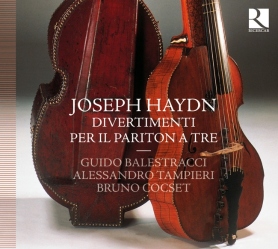
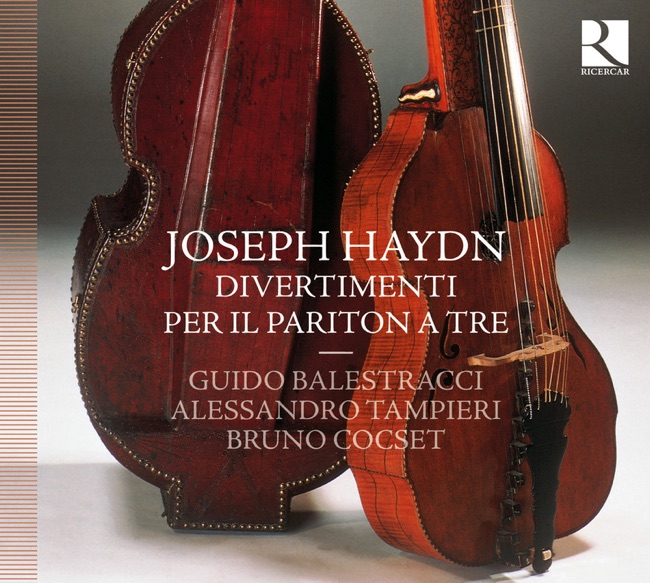
Composer:Franz Joseph HaydnGenre:ChamberStyle:Chamber MusicCompose Date:before 1773Average_duration:9:03Movement_count:3Movement ....Franz Joseph Haydn's Baryton Trio in C major, H. 11/101, was composed in 1765. It was premiered in the same year at the court of Prince Nikolaus Esterházy, for whom Haydn worked as a court musician. The trio is written for baryton, viola, and cello, and consists of three movements. The first movement, marked Allegro moderato, is in sonata form. It begins with a lively theme played by the baryton, accompanied by the viola and cello. The second theme is more lyrical and is played by the viola. The development section explores the themes further, with the baryton taking on a more prominent role. The movement ends with a recapitulation of the main themes. The second movement, marked Adagio, is a slow and expressive piece. The baryton takes on a more melodic role, with the viola and cello providing a gentle accompaniment. The movement is in ternary form, with a contrasting middle section that features a more complex interplay between the three instruments. The final movement, marked Menuetto, is a lively dance in triple meter. The baryton takes on a more rhythmic role, with the viola and cello providing a playful accompaniment. The trio section features a more lyrical melody played by the viola, before returning to the main theme. The Baryton Trio in C major is a charming and elegant work that showcases Haydn's skill in writing for the baryton, an instrument that was popular in the 18th century but has since fallen out of use. The baryton is a stringed instrument similar to the viola da gamba, but with additional sympathetic strings that are played by the performer's left thumb. Haydn was one of the few composers who wrote extensively for the baryton, and this trio is a testament to his mastery of the instrument.More....
Works Music
Released Music