Henry Purcell
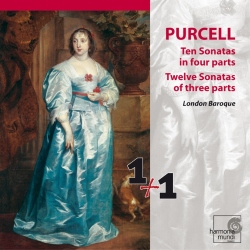
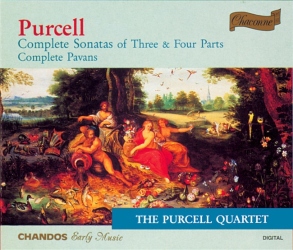
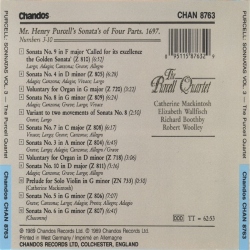
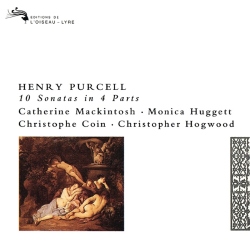
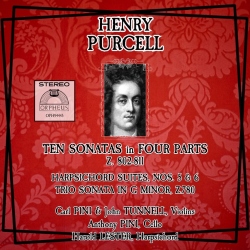
Sonata in 4 parts No. 3 in A minor, Z. 804
Released Album
Recent Album

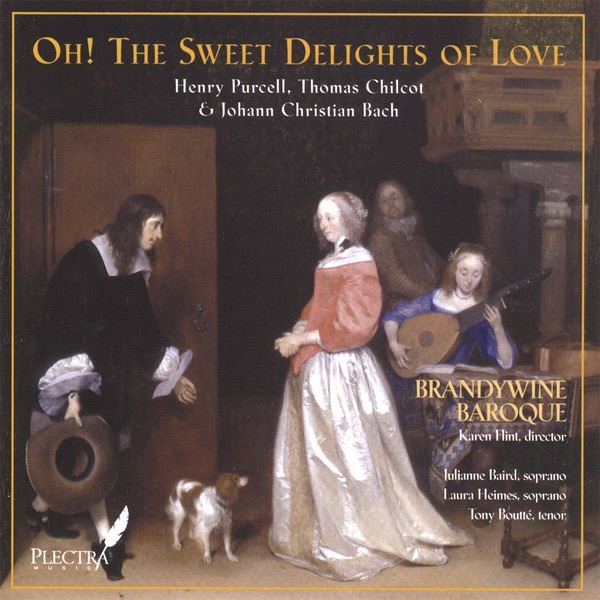
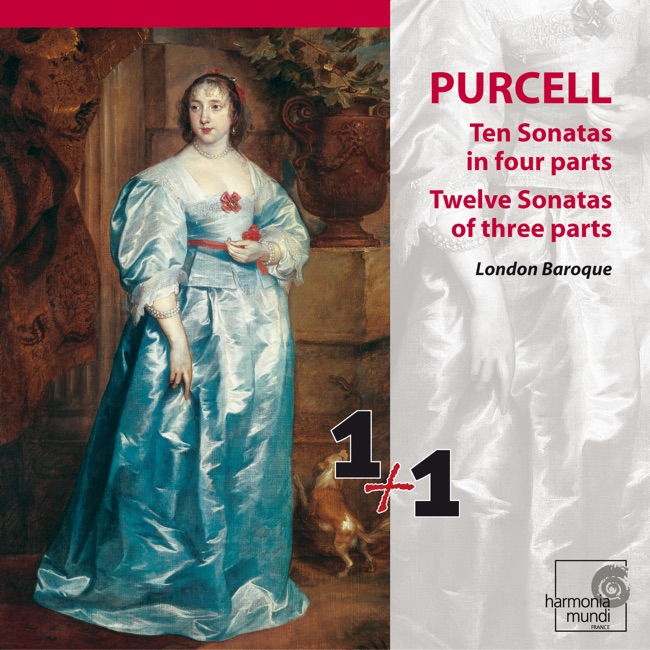
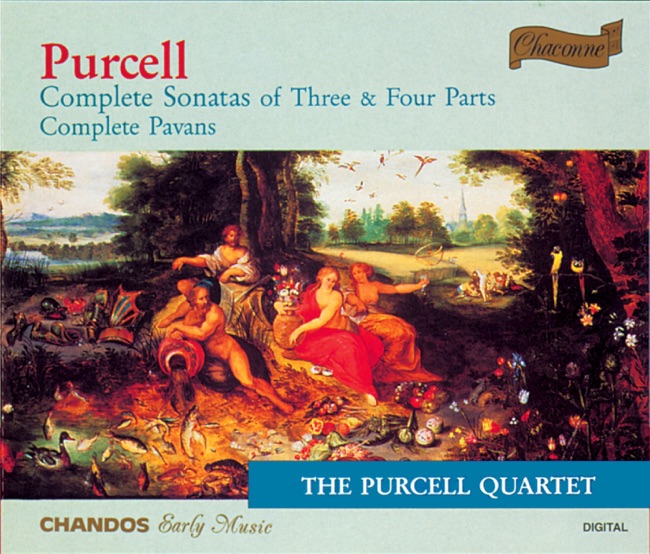
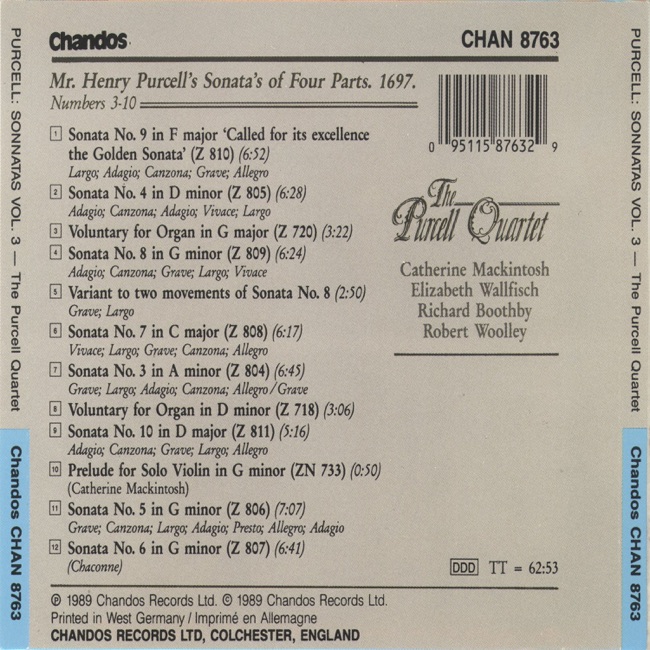
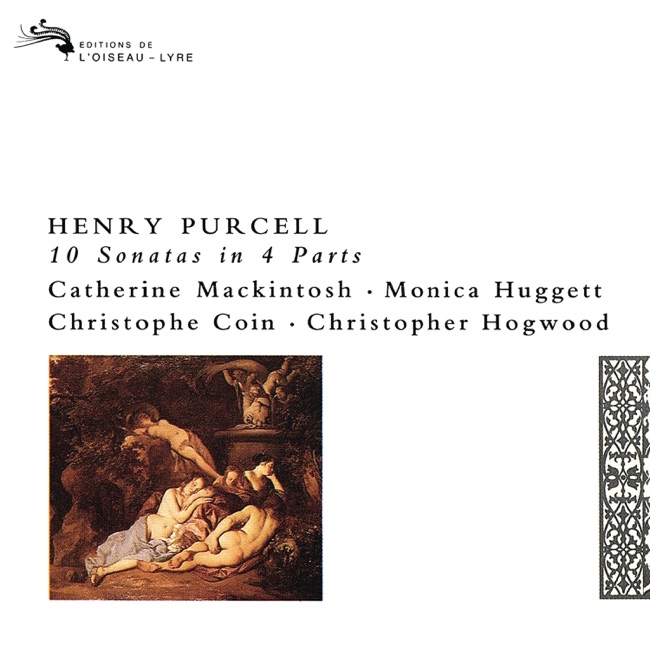
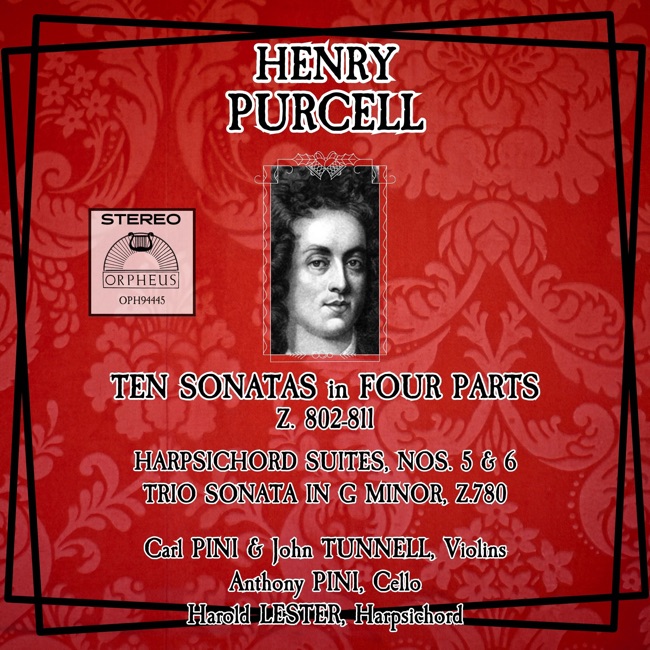
Featured Album
Works Info
Composer:Henry PurcellGenre:ChamberStyle:SonataCompose Date:ca. 1680Average_duration:7:04Movement_count:6Movement ....Henry Purcell's 'Sonata in 4 parts No. 3 in A minor, Z. 804' is a baroque instrumental work composed in the late 17th century. The exact date of composition is unknown, but it is believed to have been written around 1683-1684. The piece was first premiered in London, England, likely at one of the many public concerts that were popular at the time. The sonata is divided into four movements, each with its own distinct character and style. The first movement is a lively and energetic Allegro, featuring intricate counterpoint and virtuosic violin passages. The second movement is a slower Adagio, characterized by its expressive melodies and rich harmonies. The third movement is a lively and dance-like Allegro, featuring a catchy and memorable theme that is passed between the different instruments. The final movement is a fast and frenetic Allegro, featuring rapid-fire runs and virtuosic flourishes from all four instruments. One of the most notable characteristics of Purcell's 'Sonata in 4 parts No. 3 in A minor' is its use of counterpoint. Purcell was a master of this technique, which involves the interweaving of multiple melodic lines to create a complex and harmonically rich texture. This is particularly evident in the first and third movements of the sonata, where the different instruments engage in a lively and intricate dialogue. Another characteristic of the sonata is its use of dance rhythms. Purcell was known for his skill in writing music for the court and theater, and this is reflected in the lively and dance-like character of many of his instrumental works. The third movement of the sonata, in particular, is a prime example of this, with its catchy and memorable theme that is reminiscent of a lively dance tune. Overall, Purcell's 'Sonata in 4 parts No. 3 in A minor, Z. 804' is a masterful example of baroque instrumental music. Its intricate counterpoint, lively dance rhythms, and expressive melodies make it a timeless work that continues to be enjoyed by audiences today.More....
Works Music
Released Music

2
2:39
3
1:20
4
1:35
6
1:26
7
6:53
10
1:29
Featured Music
1
7:15