Giovanni Battista Vitali
Barabano
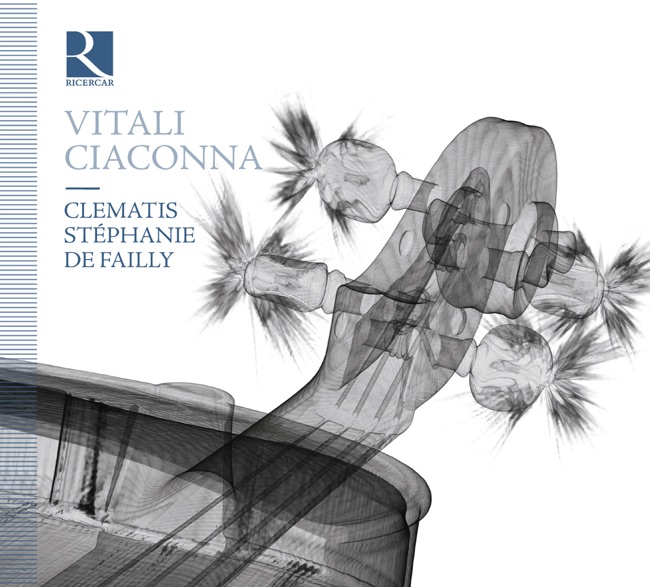
Released Album
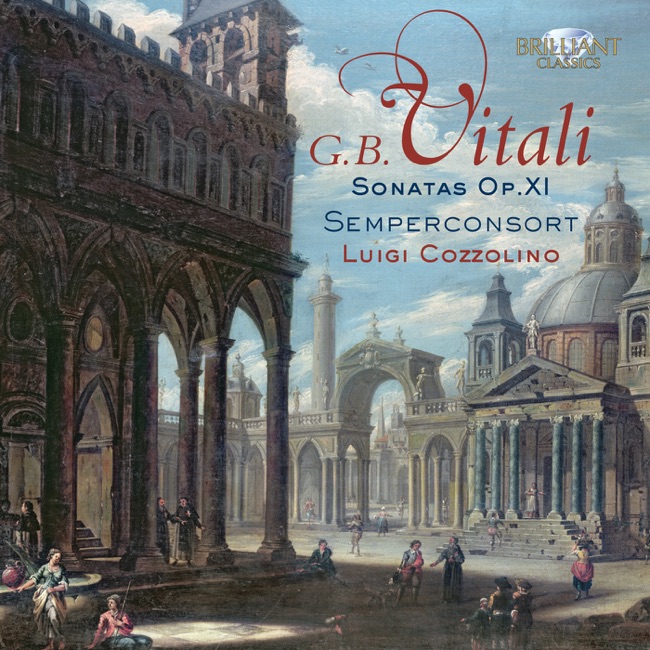
Recent Album
Works Info
Composer:Giovanni Battista VitaliGenre:ChamberStyle:Chamber MusicBarabano is a composition for violin and basso continuo, composed by Giovanni Battista Vitali in the 17th century. The exact date of composition is unknown, but it is believed to have been written in the mid-1660s. The piece is named after the Italian town of Barabano, where Vitali was born. Barabano is divided into four movements: Adagio, Allegro, Adagio, and Allegro. The first movement, Adagio, is a slow and expressive introduction that sets the tone for the rest of the piece. The second movement, Allegro, is a lively and energetic dance that showcases the virtuosity of the violinist. The third movement, Adagio, is another slow and expressive section that provides a moment of reflection before the final movement. The fourth movement, Allegro, is a fast and lively dance that brings the piece to a thrilling conclusion. One of the characteristics of Barabano is its use of the basso continuo, which provides a harmonic foundation for the violinist to improvise over. The basso continuo is typically played by a harpsichord or organ, along with a cello or bass instrument. Another characteristic of Barabano is its use of ornamentation, which was a common feature of Baroque music. The violinist is expected to add trills, turns, and other embellishments to the written music, which adds to the virtuosity of the performance. Barabano premiered in the mid-1660s, likely in the court of the Este family in Modena, where Vitali was employed as a musician. The piece was well-received and became a popular addition to the repertoire of Baroque violin music. Today, Barabano is still performed and recorded by violinists around the world, and it remains a testament to Vitali's skill as a composer and musician.More....
Works Music
Released Music