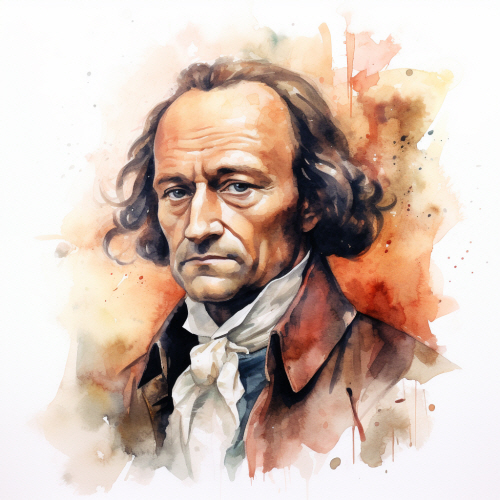
Johann Pachelbel
Ricercare, for organ in C minor, T. 292
Released Album
Recent Album
Works Info
Composer:Johann PachelbelGenre:KeyboardStyle:RicercarCompose Date:before Apr 1706Average_duration:5:47Johann Pachelbel's "Ricercare for Organ in C minor, T. 292" is a piece of music that was composed in the late 17th century. The exact date of composition is not known, but it is believed to have been written sometime between 1680 and 1690. The piece is a single movement work that is approximately six minutes in length. The "Ricercare" is a type of composition that was popular in the Baroque era. It is a form of instrumental music that is characterized by its use of imitative counterpoint. In this type of music, one voice introduces a melody, which is then imitated by other voices in turn. The result is a complex and intricate web of interweaving melodies that create a rich and textured sound. The "Ricercare for Organ in C minor, T. 292" is a prime example of this type of music. The piece begins with a simple melody played by the organ's pedals. This melody is then taken up by the hands, which play it in a higher register. As the piece progresses, other voices are added, each playing the same melody in a different key or at a different tempo. The result is a complex and intricate web of sound that is both beautiful and challenging to play. One of the most notable characteristics of Pachelbel's "Ricercare" is its use of chromaticism. This is a technique in which the composer uses notes that are not part of the key signature to create tension and dissonance. Pachelbel uses this technique to great effect in the "Ricercare," creating a sense of unease and uncertainty that is both thrilling and unsettling. The "Ricercare for Organ in C minor, T. 292" was first performed in the late 17th century, but it was not until the 20th century that it became widely known and appreciated. Today, it is considered one of Pachelbel's most important works, and it is frequently performed by organists around the world. Its intricate counterpoint and use of chromaticism make it a challenging and rewarding piece to play, and its beauty and complexity continue to captivate audiences more than three centuries after it was written.More....
Works Music
Released Music
2
5:32
4
5:28
6
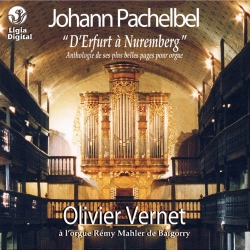
4:42
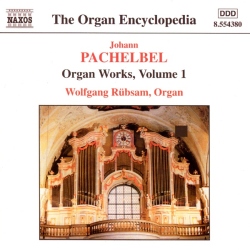
8
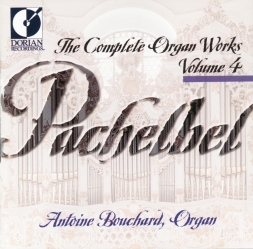
5:22
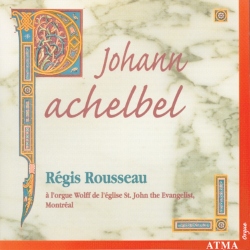
10
6:24