Ruth Crawford Seeger
Kaleidoscopic Changes on an Original Theme, Ending with a Fugue
Released Album
Recent Album

Featured Album
Works Info
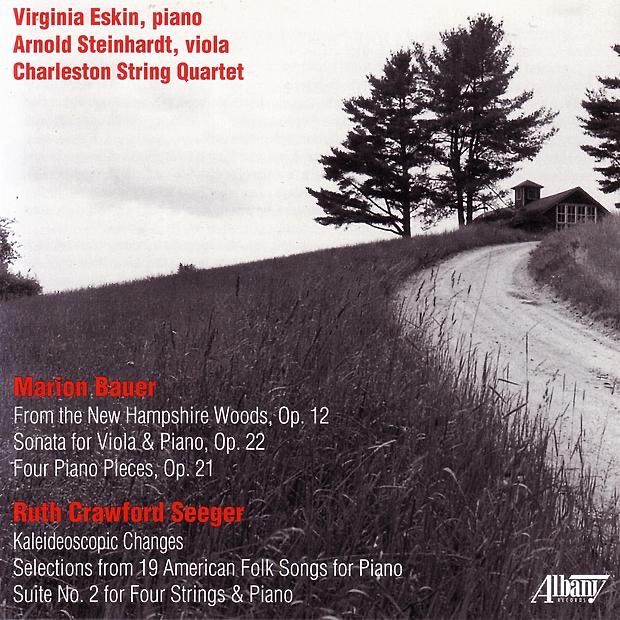
Composer:Ruth Crawford SeegerGenre:KeyboardStyle:FugueCompose Date:1924Average_duration:10:06Ruth Crawford Seeger's "Kaleidoscopic Changes on an Original Theme, Ending with a Fugue" is a modernist composition for solo piano. It was composed in 1924 and premiered in New York City in 1925. The piece is divided into three movements, each with its own distinct character and style. The first movement, marked "Allegro," is based on a twelve-tone row that is presented in a fragmented and dissonant manner. The theme is constantly transformed through various techniques such as inversion, retrograde, and transposition. The movement is characterized by its angular melodies, irregular rhythms, and abrupt changes in texture and dynamics. The second movement, marked "Andante," is a stark contrast to the first. It is a slow and lyrical piece that features a simple and expressive melody. The harmonies are more tonal and the texture is more homophonic. The movement is notable for its use of pedal points and its gradual buildup of tension towards the end. The final movement, marked "Fugue," is a complex and virtuosic piece that showcases Crawford Seeger's mastery of counterpoint. The fugue subject is derived from the twelve-tone row used in the first movement. The fugue is characterized by its intricate and interweaving lines, its use of stretto, and its dramatic climax. Overall, "Kaleidoscopic Changes on an Original Theme, Ending with a Fugue" is a challenging and innovative work that reflects Crawford Seeger's commitment to modernist ideals. The piece is notable for its use of serial techniques, its exploration of different textures and harmonies, and its virtuosic piano writing.More....
Works Music