Igor Stravinsky
Orpheus
Released Album
Recent Album









Featured Album

Works Info
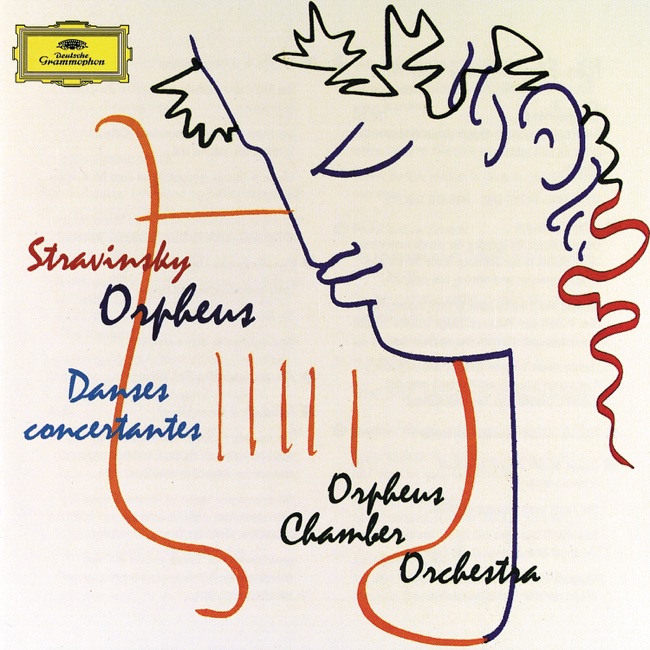
Composer:Igor StravinskyGenre:BalletStyle:BalletCompose Date:1947First Performance:Apr 28, 1948Average_duration:30:24Orpheus is a ballet composed by Igor Stravinsky in 1947. The plot is based on the Greek myth of Orpheus, a musician who travels to the underworld to rescue his wife Eurydice. The ballet is divided into three movements: the first depicts Orpheus mourning the loss of his wife, the second shows his descent into the underworld, and the third portrays his return to the world of the living. The ballet premiered on June 28, 1948, at the New York City Center. It was choreographed by George Balanchine, who also designed the sets and costumes. The ballet was a critical and commercial success, and it helped to establish Stravinsky as a leading composer of ballet music. The music of Orpheus is characterized by its use of dissonant harmonies and complex rhythms. Stravinsky's score includes a variety of instruments, including strings, woodwinds, brass, and percussion. The music is often described as haunting and otherworldly, reflecting the mythological themes of the ballet. The first movement of Orpheus begins with a mournful melody played by the strings. This is followed by a series of variations on the theme, which become increasingly complex and dissonant. The movement ends with a quiet coda, as Orpheus prepares to descend into the underworld. The second movement of Orpheus is the longest and most complex. It begins with a series of eerie chords played by the woodwinds and brass. This is followed by a series of dances, as Orpheus encounters various characters in the underworld. These include the Furies, who try to prevent him from rescuing Eurydice, and the Shades, who dance in a dreamlike state. The movement ends with a dramatic confrontation between Orpheus and the Furies. The third movement of Orpheus is the shortest and most triumphant. It begins with a joyful melody played by the strings, as Orpheus returns to the world of the living with Eurydice. The movement ends with a grand finale, as the entire cast celebrates their victory over death. Overall, Orpheus is a powerful and haunting ballet that explores themes of love, loss, and the power of music. Stravinsky's music is complex and challenging, but also deeply emotional and evocative. The ballet remains a classic of the 20th century repertoire, and it continues to be performed by ballet companies around the world.More....
Works Music
Released Music






7

Orpheus
Scene 1: Orpheus weeps for Eurydice - Air de danse - Dance of the Angel of Death - Interlude
9:38


Featured Music