Béla Bartók
Pizzicato, Sz. 98/43
Released Album
Recent Album
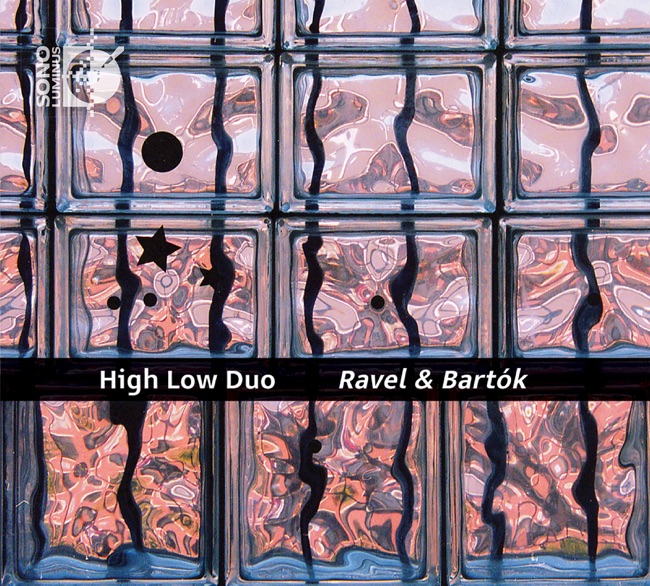
Featured Album
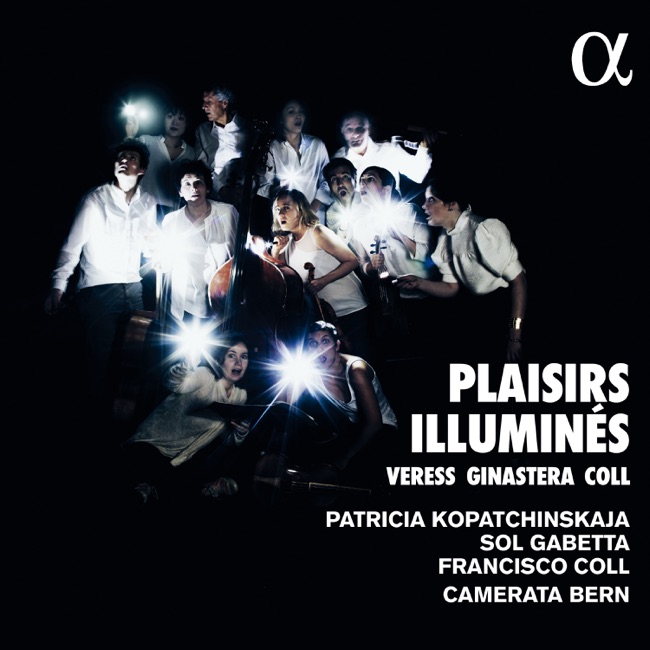
Works Info
Composer:Béla BartókGenre:ChamberStyle:DuetCompose Date:1931Average_duration:0:58Béla Bartók's "Pizzicato" is a short piece for string orchestra, composed in 1936. It was premiered on December 6, 1936, in Budapest, Hungary, by the Budapest Philharmonic Orchestra, conducted by the composer himself. The piece is part of a larger work called "44 Duos for Two Violins," which Bartók composed between 1931 and 1939. "Pizzicato" is the 43rd duo in the collection, and it is one of the most popular and frequently performed pieces from the set. The piece is characterized by its playful and rhythmic pizzicato (plucking) technique, which is used throughout the entire piece. The melody is simple and repetitive, with a folk-like quality that is typical of Bartók's style. The piece is in A major and is written in a fast 2/4 time signature. It consists of a single movement that lasts approximately one minute. The piece begins with a short introduction, followed by the main theme, which is played by the first violin. The second violin then joins in, playing a counterpoint to the first violin's melody. The two violins continue to play together, with occasional variations in the melody and rhythm, until the piece comes to a sudden and unexpected end. Overall, "Pizzicato" is a charming and lighthearted piece that showcases Bartók's skill in creating music that is both simple and complex at the same time. Its popularity is due in part to its accessibility and its ability to appeal to a wide range of audiences, from classical music enthusiasts to casual listeners.More....