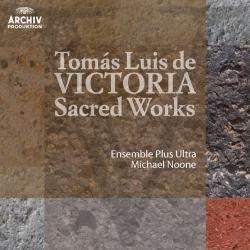
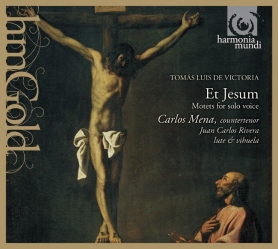
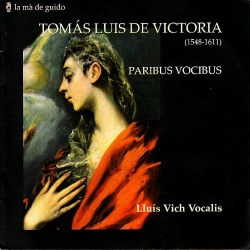
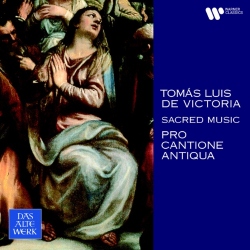
Tomás Luis de Victoria
Duo seraphim clamabant
Released Album
Recent Album
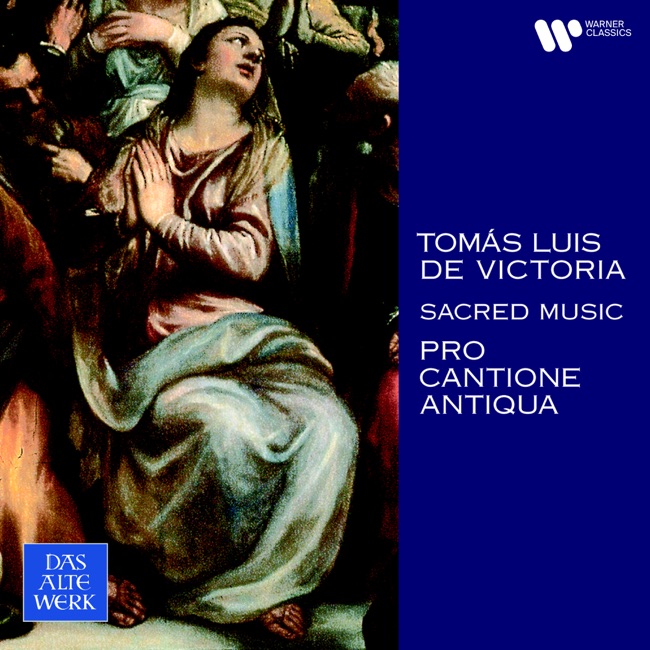
Featured Album
Works Info
Composer:Tomás Luis de VictoriaGenre:ChoralStyle:ChoralPublication Date:1583Average_duration:3:33"Duo seraphim clamabant" is a sacred motet composed by the Spanish composer Tomás Luis de Victoria. It was composed in the late 16th century, during the Renaissance period, and is considered one of Victoria's most famous works. The piece is written for three voices, and is based on a text from the Book of Isaiah, chapter 6, verse 3. The motet was first performed in 1572, during Victoria's tenure as the maestro di cappella at the Collegium Germanicum in Rome. It was later published in Victoria's collection of motets, entitled "Liber primus motettorum," which was printed in Rome in 1572. The piece is divided into three movements, each of which is characterized by its own unique musical style. The first movement is marked by a slow, solemn tempo, and features a homophonic texture in which all three voices sing the same melody at the same time. The second movement is more lively and rhythmic, with a faster tempo and a more complex polyphonic texture. The third movement returns to the slower, more solemn style of the first movement, and features a beautiful, soaring melody that is sung by the two higher voices. One of the most striking characteristics of "Duo seraphim clamabant" is its use of imitation. Throughout the piece, the three voices take turns singing the same melody, but with slight variations in rhythm and pitch. This creates a sense of unity and coherence, while also allowing each voice to shine individually. Another notable feature of the piece is its use of dissonance. Victoria was known for his bold and innovative use of harmony, and "Duo seraphim clamabant" is no exception. The piece features several moments of tension and release, as the voices move in and out of dissonance with one another. Overall, "Duo seraphim clamabant" is a beautiful and powerful work that showcases Victoria's mastery of Renaissance polyphony. Its haunting melodies, intricate harmonies, and rich textures continue to captivate audiences to this day.More....
Works Music