Giovanni Battista Fontana
Sonata No. 12 for violin, dulcian & continuo
Released Album
Recent Album
Works Info
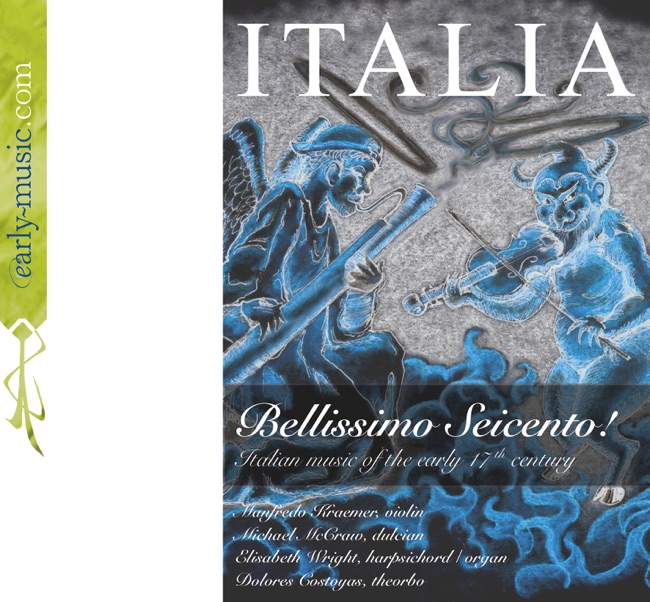
Composer:Giovanni Battista FontanaStyle:SonataAverage_duration:5:24Giovanni Battista Fontana's Sonata No. 12 for violin, dulcian & continuo is a Baroque composition that was likely composed in the early 17th century. The exact date of composition is unknown, but it is believed to have been written sometime between 1615 and 1620. The sonata is a three-movement work that showcases Fontana's skill as a composer and his understanding of the Baroque style. The premiere of Sonata No. 12 for violin, dulcian & continuo is also unknown, but it is likely that it was performed in a chamber setting for a small audience. The sonata was likely written for a group of musicians who were skilled in playing the violin, dulcian, and continuo instruments. The dulcian, a predecessor to the bassoon, was a popular instrument during the Baroque period and was often used in chamber music. The first movement of Sonata No. 12 for violin, dulcian & continuo is a lively and energetic piece that features a fast tempo and intricate melodies. The violin and dulcian take turns playing the main theme, with the continuo providing a steady bass line. The second movement is a slower and more contemplative piece that features a beautiful melody played by the violin. The dulcian and continuo provide a subtle accompaniment that supports the violin's solo. The final movement is a fast and lively piece that features a complex interplay between the violin and dulcian. The continuo provides a driving bass line that propels the music forward. One of the characteristics of Sonata No. 12 for violin, dulcian & continuo is its use of counterpoint. Counterpoint is a technique in which two or more melodies are played simultaneously, creating a complex and harmonically rich sound. Fontana was a master of counterpoint and used it extensively in his compositions. Another characteristic of the sonata is its use of ornamentation. Ornamentation is the addition of decorative notes to a melody, and it was a common technique used in Baroque music. Fontana's use of ornamentation adds a sense of elegance and sophistication to the sonata. Overall, Sonata No. 12 for violin, dulcian & continuo is a beautiful and complex work that showcases Fontana's skill as a composer. Its use of counterpoint and ornamentation, along with its intricate melodies and driving bass line, make it a quintessential example of Baroque chamber music.More....
Works Music
Released Music