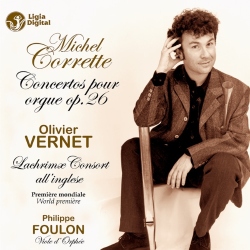
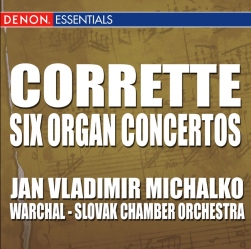
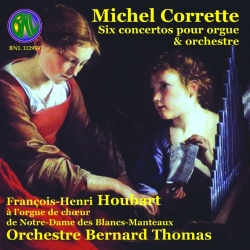
Michel Corrette
Concerto for organ & orchestra No. 3 in D major, Op. 26/3
Released Album
Recent Album
Works Info
Composer:Michel CorretteGenre:ConcertoStyle:ConcertoAverage_duration:10:58Movement_count:4Movement ....The Concerto for organ & orchestra No. 3 in D major, Op. 26/3, was composed by Michel Corrette, a French composer and organist, in the mid-18th century. The exact date of composition is unknown, but it is believed to have been written around 1750. The concerto was premiered in Paris, where Corrette was based, and was well-received by audiences and critics alike. The concerto is divided into three movements: Allegro, Adagio, and Allegro. The first movement, Allegro, is characterized by its lively and energetic tempo, with the organ and orchestra trading off melodic lines. The second movement, Adagio, is a slower and more contemplative piece, with the organ taking center stage and the orchestra providing a gentle accompaniment. The final movement, Allegro, returns to the lively tempo of the first movement, with the organ and orchestra engaging in a playful and virtuosic dialogue. One of the most notable characteristics of the concerto is its use of the organ as a solo instrument. While the organ had been used in orchestral music before, it was typically relegated to a supporting role, providing harmonic support and filling out the sound of the orchestra. In Corrette's concerto, however, the organ takes on a more prominent role, with the orchestra providing a complementary backdrop to the organ's virtuosic flourishes. Overall, the Concerto for organ & orchestra No. 3 in D major, Op. 26/3, is a lively and engaging piece of music that showcases the talents of both the organist and the orchestra. Its use of the organ as a solo instrument was groundbreaking for its time, and it remains a popular and beloved work in the classical repertoire.More....
Works Music
Released Music