William Byrd
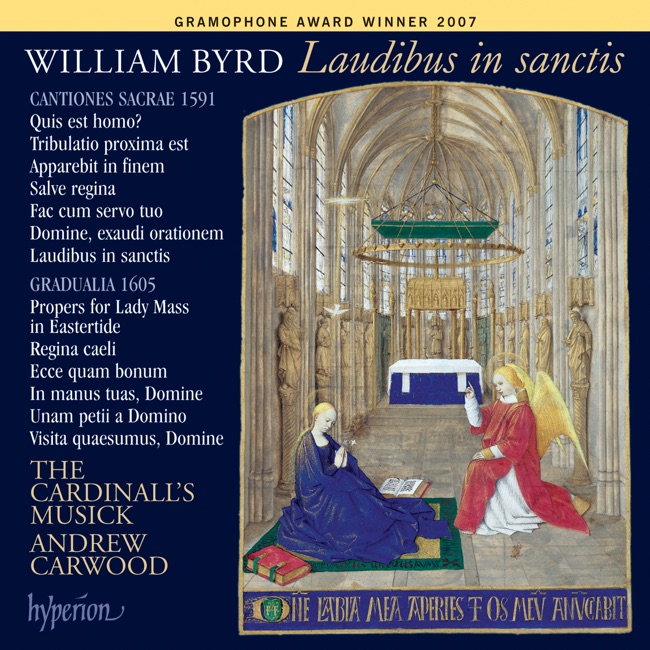
Visita quaesumus Domine
Released Album
Recent Album
Works Info
Composer:William ByrdGenre:ChoralStyle:MotetAverage_duration:4:03'Visita quaesumus Domine' is a sacred motet composed by William Byrd, one of the most prominent English composers of the Renaissance period. The piece was composed in the late 16th century, during the reign of Queen Elizabeth I, and was likely premiered in a religious setting such as a church or cathedral. The motet is written for four voices, with the text taken from the Latin liturgy. The piece is divided into three movements, each with its own distinct character and musical style. The first movement is marked by a solemn and reverent tone, with the voices singing in unison to create a sense of unity and harmony. The second movement is more lively and energetic, with the voices weaving in and out of each other to create a complex and intricate texture. The final movement returns to the solemnity of the first, with the voices coming together once again to create a sense of peace and tranquility. One of the most notable characteristics of 'Visita quaesumus Domine' is its use of polyphony, a technique in which multiple voices sing different melodies simultaneously. Byrd was a master of this technique, and his use of polyphony in this piece creates a rich and complex musical texture that is both beautiful and awe-inspiring. The piece also features a number of musical devices such as imitation, where one voice repeats a melody that has just been sung by another voice, and homophony, where all the voices sing the same melody at the same time. Overall, 'Visita quaesumus Domine' is a stunning example of Renaissance sacred music, showcasing Byrd's mastery of polyphony and his ability to create a sense of reverence and awe through his music. Its timeless beauty and spiritual power continue to inspire and move listeners to this day.More....
Works Music
Released Music