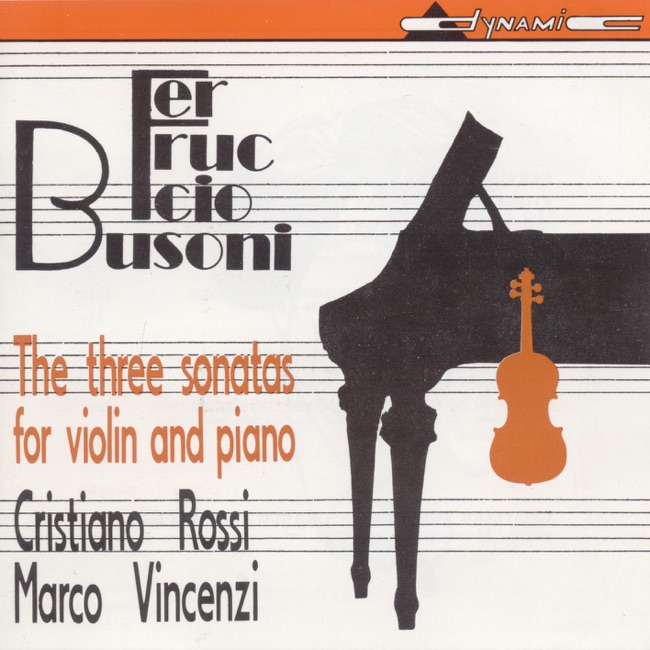
Ferruccio Busoni
Sonata, for violin & piano in C major, KiV 41
Works Info
Composer:Ferruccio BusoniGenre:ChamberStyle:SonataCompose Date:Mar 19, 1876Average_duration:12:48Ferruccio Busoni's Sonata for violin and piano in C major, KiV 41, was composed in 1890 and premiered in Berlin in 1891. The sonata is divided into three movements: Allegro moderato, Adagio, and Allegro molto. The first movement, Allegro moderato, begins with a lively and energetic theme introduced by the piano, which is then taken up by the violin. The movement is characterized by its use of counterpoint and the interplay between the two instruments. The development section explores the themes introduced in the exposition, with the violin and piano engaging in a lively dialogue. The movement ends with a recapitulation of the main theme, followed by a coda that brings the movement to a close. The second movement, Adagio, is a lyrical and expressive piece that showcases the violin's singing qualities. The piano provides a delicate accompaniment, with the two instruments weaving together in a beautiful and intricate dialogue. The movement is notable for its use of chromaticism and its rich harmonic language. The final movement, Allegro molto, is a lively and virtuosic piece that showcases the technical abilities of both the violinist and pianist. The movement is characterized by its use of syncopation and its playful, dance-like rhythms. The development section features a fugue, which is then followed by a reprise of the main theme. The movement ends with a brilliant coda that brings the sonata to a thrilling conclusion. Overall, Busoni's Sonata for violin and piano in C major is a masterful work that showcases the composer's skill in writing for both instruments. The sonata is characterized by its use of counterpoint, rich harmonies, and virtuosic passages, and is a testament to Busoni's status as one of the most important composers of the late Romantic era.More....