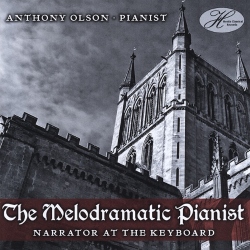
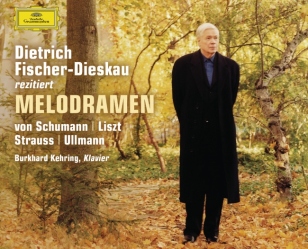
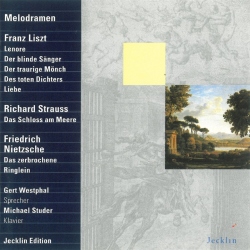
Franz Liszt
Lenore, S. 346
Released Album
Recent Album
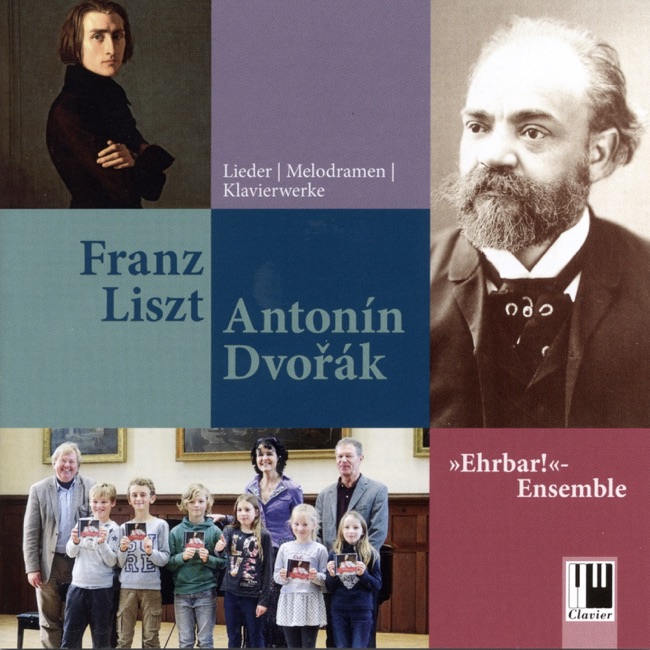

Works Info
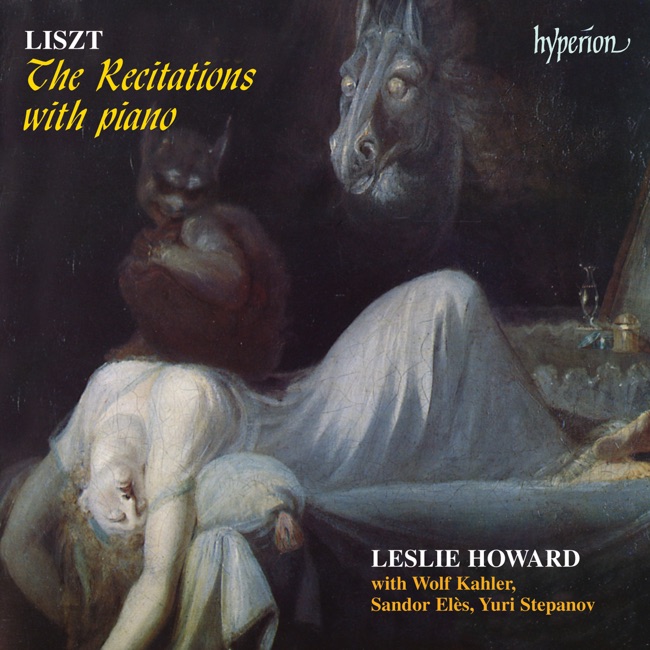
Composer:Franz LisztGenre:Musical TheatreStyle:SongCompose Date:1859Publication Date:1860First Performance:Jan 26, 1860Average_duration:14:21"Lenore, S. 346" is a symphonic poem composed by Franz Liszt in 1851. The piece is based on the ballad "Lenore" by Gottfried August Bürger, which tells the story of a young woman who waits for her fiancé to return from war, only to find out that he has died in battle. Distraught, she decides to join him in death and rides off on a spectral horse to the underworld. The composition of "Lenore" is characterized by Liszt's use of programmatic music, which means that the music is meant to tell a story or depict a scene. The piece is divided into four movements, each of which represents a different aspect of the story. The first movement, "The Call to Arms," is a rousing march that represents the excitement and anticipation of going to war. The second movement, "The Battle," is a frenzied and chaotic depiction of the violence and chaos of the battlefield. The third movement, "The Death of Lenore's Fiancé," is a mournful and melancholy section that represents the moment when Lenore learns of her fiancé's death. The final movement, "Lenore's Ride to the Grave," is a haunting and eerie section that represents Lenore's journey to the underworld. The music is full of dissonant chords, eerie melodies, and unsettling rhythms, creating a sense of unease and foreboding. "Lenore" premiered in Weimar, Germany in 1855, conducted by Liszt himself. The piece was well-received by audiences and critics alike, and it quickly became one of Liszt's most popular works. The composition of "Lenore" was a significant milestone in the development of programmatic music, and it helped to establish Liszt as one of the most innovative and influential composers of his time. Overall, "Lenore, S. 346" is a powerful and evocative piece of music that tells a haunting and tragic story. Its use of programmatic music and innovative compositional techniques make it a landmark work in the history of classical music, and it continues to be performed and admired by audiences around the world.More....
Works Music
Released Music
2

16:6