Franz Liszt
Eroica, etude for piano in E flat major, S. 139/7
Released Album
Recent Album
-

-
-
-
-
-
-
-
-
-
-
-
 Nikolaj Konstantin EvrovSeptember 25, 1961
Featured Album
Works Info
Composer:Franz LisztGenre:KeyboardStyle:Etude: ConcertCompose Date:1851Publication Date:1852Average_duration:4:55"Eroica, etude for piano in E flat major, S. 139/7" is a solo piano piece composed by Franz Liszt. It was composed in 1851 and premiered in the same year in Weimar, Germany. The piece is part of a set of twelve etudes, which were inspired by the twelve symphonies of Ludwig van Beethoven. The piece is divided into three movements, each of which is based on a different theme from Beethoven's Symphony No. 3, also known as the "Eroica" Symphony. The first movement is based on the opening theme of the symphony, which is a bold and heroic melody played by the brass section. Liszt transforms this theme into a virtuosic piano piece, with fast runs and arpeggios that require great technical skill from the performer. The second movement is based on the funeral march from the symphony, which is a slow and mournful melody played by the strings. Liszt's version of this theme is also slow and somber, with a melancholy atmosphere that captures the sadness of the original. The third movement is based on the finale of the symphony, which is a lively and energetic theme played by the entire orchestra. Liszt's version of this theme is a fast and furious piece, with rapid-fire runs and arpeggios that require lightning-fast fingers from the performer. Overall, "Eroica, etude for piano in E flat major, S. 139/7" is a challenging and impressive piece that showcases Liszt's virtuosic piano skills and his ability to transform orchestral music into solo piano pieces. It is a testament to the enduring influence of Beethoven's music and the creativity of Liszt as a composer.More....
Works Music
Released Music
1
5:18
2
4:35
3
5:57
4
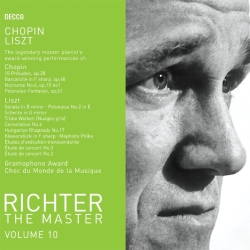
Eroica, etude for piano in E flat major, p. 139/7
Étude d'exécution transcendante No. 7 "Vision", S. 139
8:15
5
5:11
6
4:46
7
4:46
8
4:9
9
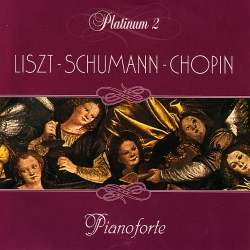
4:46
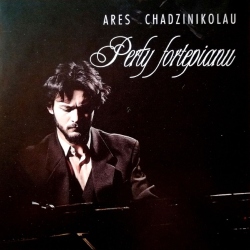
Featured Music