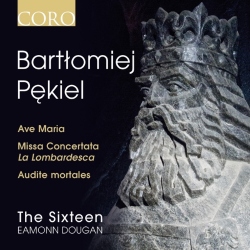
Bartlomiej Pekiel
Ave Maria
Released Album
Recent Album
Featured Album
Works Info
Composer:Bartlomiej PekielGenre:ChoralStyle:ChoralAverage_duration:4:00Bartlomiej Pekiel's "Ave Maria" is a sacred choral work that was composed in the 17th century. The exact date of its composition is unknown, but it is believed to have been written during Pekiel's tenure as the Kapellmeister of the Royal Chapel in Warsaw, Poland. The piece is written for four-part choir and is set to the text of the traditional Catholic prayer, "Ave Maria." The premiere of "Ave Maria" is also unknown, but it is likely that it was first performed in the Royal Chapel in Warsaw. Pekiel was a prominent figure in the Polish Baroque music scene, and his works were often performed in the royal courts and churches of Poland. The piece is divided into three movements, each of which is characterized by its own unique musical style. The first movement is a simple and serene setting of the prayer's opening words, "Ave Maria." The second movement is more complex and features intricate polyphonic textures and harmonies. The final movement is a joyful and celebratory setting of the prayer's closing words, "Ora pro nobis." One of the most notable characteristics of "Ave Maria" is its use of polyphony. Pekiel was known for his skill in writing complex and intricate choral works, and "Ave Maria" is no exception. The piece features multiple vocal lines that weave in and out of each other, creating a rich and layered sound. Another characteristic of the piece is its use of dissonance. Pekiel was known for his bold and experimental approach to harmony, and "Ave Maria" features several moments of tension and dissonance that add to the piece's emotional depth. Overall, "Ave Maria" is a beautiful and complex choral work that showcases Pekiel's skill as a composer. Its use of polyphony and dissonance make it a unique and memorable addition to the canon of sacred choral music.More....
Works Music
Released Music

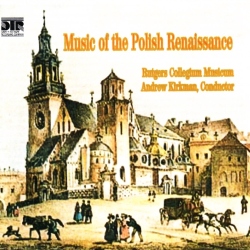
Featured Music