


Franz Joseph Haydn
Sonata for violin & viola in D major, H. 6/4
Released Album
Recent Album
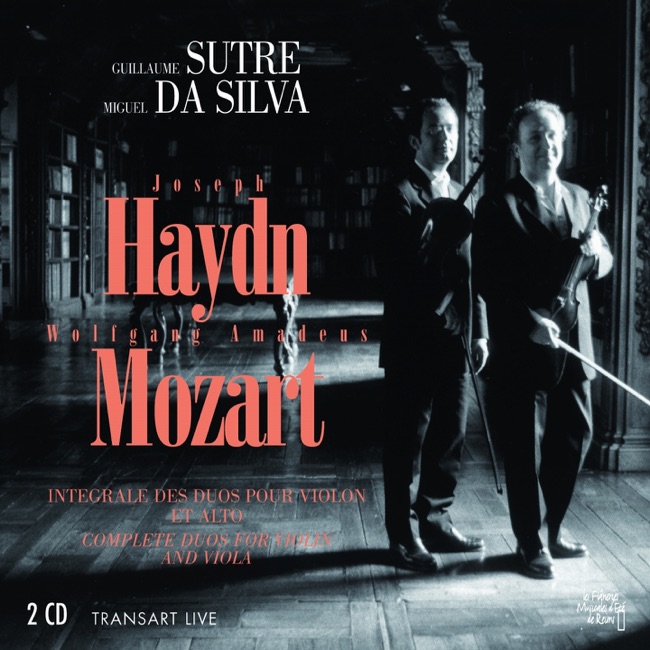
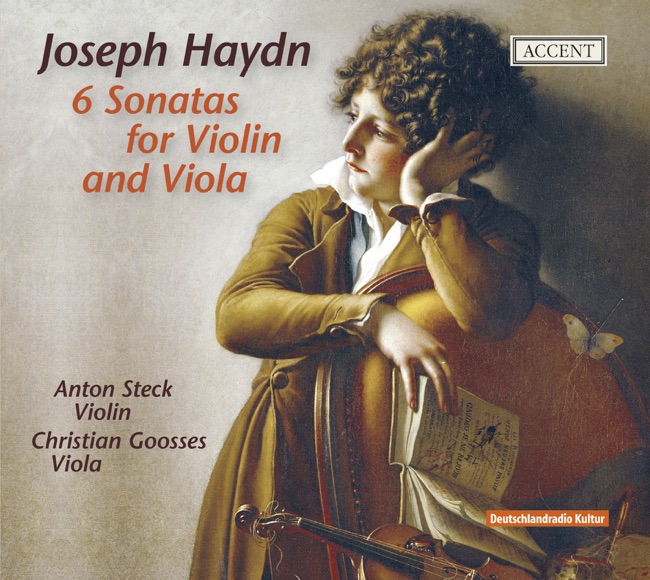
Works Info
Composer:Franz Joseph HaydnGenre:ChamberStyle:SonataAverage_duration:9:49Movement_count:3Movement ....Franz Joseph Haydn's Sonata for violin and viola in D major, H. 6/4, was composed in the early 1760s during his tenure as Kapellmeister for the Esterházy family. The exact date of composition is unknown, but it is believed to have been written between 1762 and 1765. The sonata was premiered in Vienna, likely in the home of one of Haydn's patrons. The sonata is comprised of three movements: Allegro moderato, Adagio, and Presto. The first movement, in sonata form, begins with a lively and playful theme introduced by the violin. The viola then takes up the theme, and the two instruments engage in a lively dialogue throughout the movement. The second movement, in the key of B minor, is a slow and expressive Adagio. The violin and viola take turns playing the melody, with the other instrument providing a delicate accompaniment. The final movement, in rondo form, is a lively and energetic Presto. The violin and viola engage in a playful and virtuosic dialogue, with each instrument showcasing its technical abilities. The Sonata for violin and viola in D major is notable for its innovative use of the viola as a solo instrument. At the time of its composition, the viola was typically used as a supporting instrument in chamber music, but Haydn's sonata gives the viola an equal role to the violin. The sonata also showcases Haydn's skill as a composer, with its inventive melodies, playful dialogue between the two instruments, and technical demands on both the violin and viola. Overall, the Sonata for violin and viola in D major, H. 6/4, is a charming and delightful work that showcases Haydn's skill as a composer and his innovative use of the viola as a solo instrument.More....
Works Music
Released Music
1
4:13
2
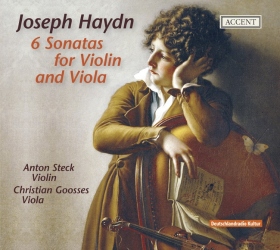
4:44
3
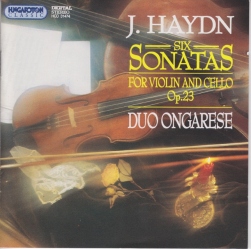
4:4