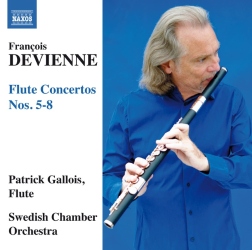
François Devienne
Flute Concerto No. 7 in E minor
Released Album
Recent Album




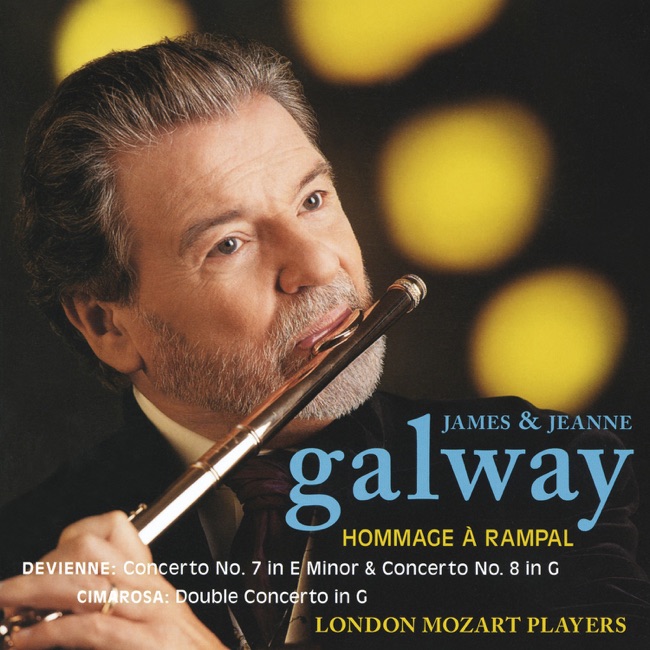
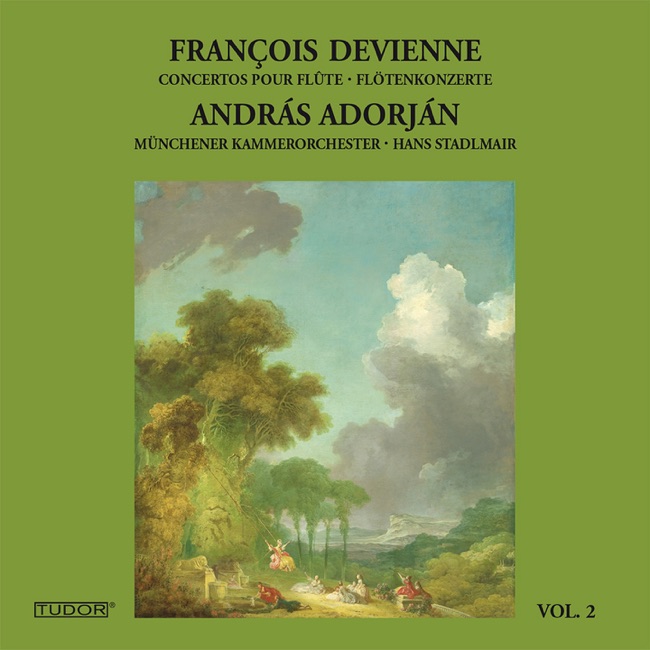
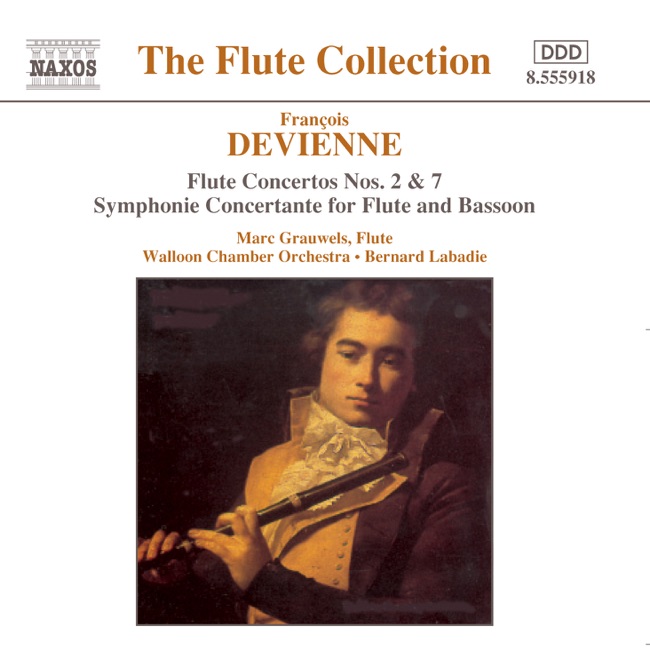
Featured Album
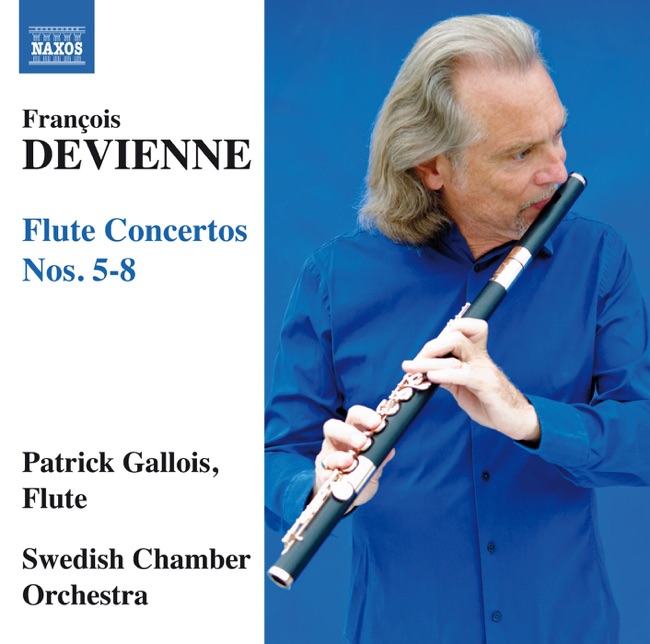
Works Info
Composer:François DevienneGenre:ConcertoStyle:ConcertoCompose Date:ca. 1787Average_duration:18:15Movement_count:3Movement ....François Devienne's Flute Concerto No. 7 in E minor is a significant work in the flute repertoire. It was composed in the late 18th century, around 1792, during the Classical period. The concerto was premiered in Paris, France, and was performed by the composer himself, who was a renowned flutist of his time. The concerto consists of three movements: Allegro, Adagio, and Rondo. The first movement, Allegro, is in sonata form and is characterized by its lively and energetic melody. The second movement, Adagio, is a slow and expressive piece that showcases the flute's lyrical capabilities. The final movement, Rondo, is a fast-paced and playful piece that features a recurring theme. Devienne's Flute Concerto No. 7 in E minor is known for its technical demands on the performer. The concerto requires the flutist to play a wide range of notes, including high and low registers, and to execute complex runs and trills. The piece also features a variety of articulations, such as staccato and legato, which require precise control and coordination. The concerto is also notable for its use of orchestration. Devienne employs a small orchestra, consisting of strings and winds, to accompany the solo flute. The orchestration is simple and elegant, allowing the soloist to shine. Overall, François Devienne's Flute Concerto No. 7 in E minor is a significant work in the flute repertoire. Its technical demands and elegant orchestration make it a challenging and rewarding piece for performers, while its lively melodies and expressive themes make it a joy to listen to.More....
Works Music
Released Music


3
8:57


6

4:20



Featured Music